Today in Paris, behind closed doors and amid carefully choreographed diplomacy, UNESCOâs Executive Board gathers to cast its secret ballots and determine who will be nominated as the organizationâs next Director-General. At the center of this moment stands Professor Khaled El-Enany â Egyptâs candidate â whose campaign has stretched across continents and carried with it the aspirations of Egypt, the Arab world, and Africa.
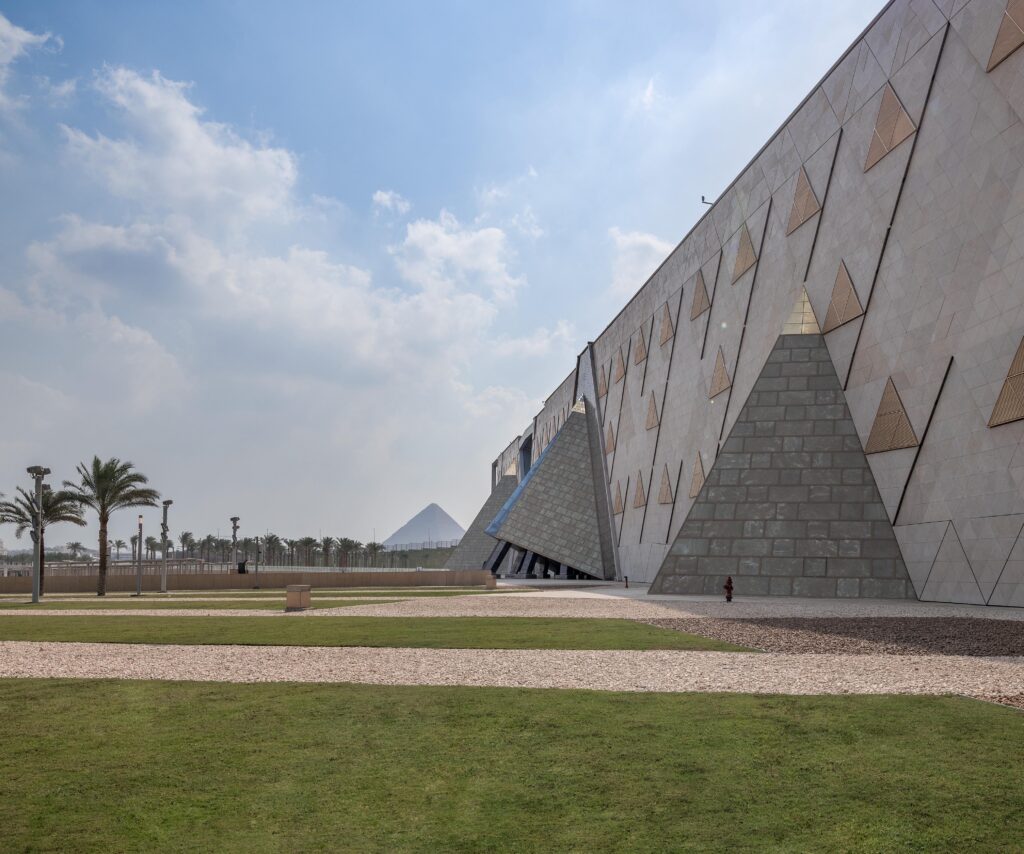
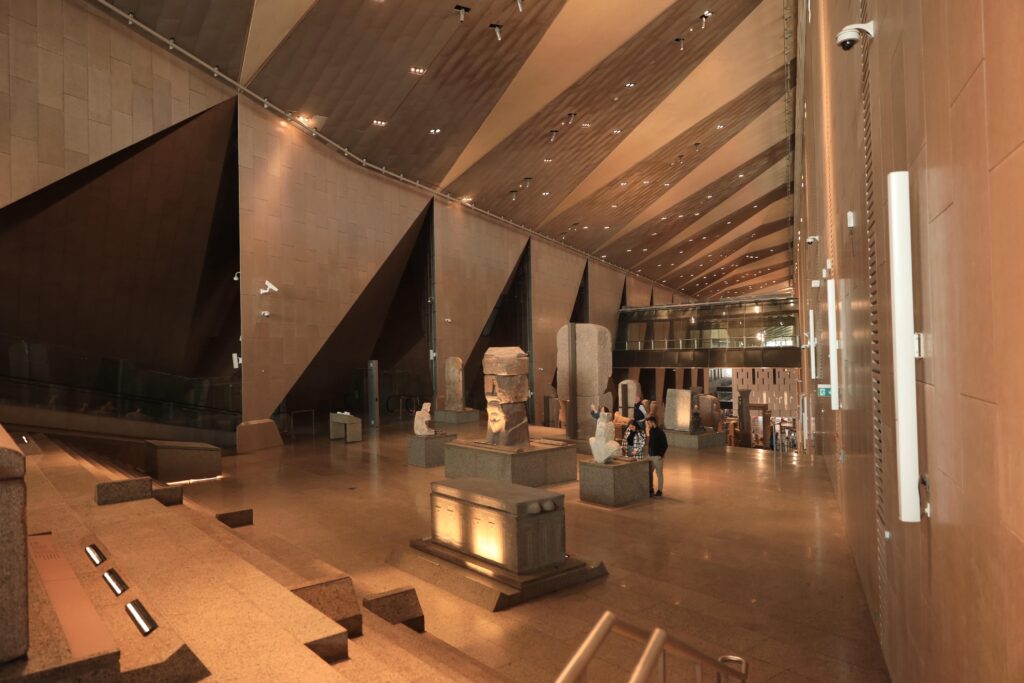
If he secures the nomination today, El-Enany will enter Novemberâs General Conference not just with national backing, but with a symbolic mandate. There, all member states will cast a second vote â either confirming or overturning the Board’s choice. And as Egypt prepares to inaugurate the Grand Egyptian Museum on November 1, the question becomes inescapable: in what capacity will he attend? As the former minister who shepherded the project through years of pressure and political shifts â or as UNESCOâs Director-General-designate?
Symbolism aside, the answer will depend on timing, procedure, and diplomatic choreography.
From Three to Two: A Tightening Contest
The race began with three contenders. But in August 2025, Mexican diplomat Gabriela Ramos withdrew, calling for unity in turbulent times. That left El-Enany and Firmin Ãdouard Matoko of the Republic of Congo head-to-head.
Matoko brings long experience inside UNESCO. El-Enany, by contrast, has positioned himself as the âoutsider with insider credentialsâ â someone who has worked across UNESCOâs fields but never from within its bureaucracy. At one point, his team confidently declared, âWe donât think itâll be a tight race.â Yet in the final stretch, those expectations have clearly been challenged. Reports now describe the contest as fiercely competitive.
Diplomacy on the Road: A Campaign Built on Listening
Egypt officially launched El-Enanyâs bid on April 5, 2023. What followed was less a tour than a global circuit â more than 65 countries across every UNESCO region, with visits not only to politicians but to scholars, heritage workers, and UNESCO mission staff.
In Jakarta, he delivered lectures and walked heritage sites under climate threat. In Seoul, he reminded interviewers: âSince 1993 Iâve taught, managed museums, led institutions â Iâve lived UNESCOâs mission.â His campaign narrative has been consistent: this is not a politician seeking higher office, but a practitioner seeking to reform the system he grew up working alongside.
Endorsements: The Formal and the Quiet
El-Enanyâs candidacy has received firm bloc endorsements from the African Union (February 2024, reaffirmed twice) and the League of Arab States. Nigeria has publicly backed him. Egyptâs diplomacy has worked full-time to consolidate coalitions.
Beyond official declarations lies the murkier world of quiet alignment. France has been repeatedly described in media as supportive. Germany, Spain, Brazil, Saudi Arabia, Austria, Slovakia, and others appear in press reporting as leaning toward his bid â even if not officially. In UNESCO politics, such signals are rarely accidental.
From Tour Guide to Candidate
El-Enany often points to his own trajectory: tour guide â academic â museum director â minister. It is a story crafted to resonate with both civil societies and ambassadors â humility without amateurism.
Between 2016 and 2022, as Egyptâs Minister of Antiquities and later Minister of Tourism and Antiquities, he inaugurated museums, restored high-risk sites, expanded community engagement, and modernized heritage laws in 2018 and 2021. His campaign frames this as proof not only of expertise but of delivery capacity â a rare commodity at UNESCO.
If He Wins â The Real Work Begins
Victory would not be an end, but an immediate trial. Inside UNESCO, he would inherit a fragmented administration marked by departmental silos, uneven loyalties, and limited resources. His promises of transparency and responsiveness will collide with entrenched structures.
Externally, UNESCO today stands at the intersection of global crises: cultural sites in war zones, education systems under economic strain, heritage threatened by climate change, and media landscapes flooded with disinformation. His biggest challenge may be financial â balancing donor influence without compromising autonomy, especially given the United Statesâ unpredictable posture toward the agency.
Diplomatically, a Director-General is never neutral. He would have to satisfy â or at least steady â multiple power centers: the Global South, European bloc leaders, emerging Asian alliances. Each will expect returns.
The Moment of Reckoning
Todayâs Board vote is not the conclusion â but it is the hinge. If El-Enany is nominated, he becomes UNESCOâs presumptive leader going into November. While the General Conference can overturn a nomination, it has only done so in exceptional circumstances.
For Egypt â and for large parts of the Global South â a win would be historic. But the real measure of success will not be whether Khaled El-Enany walks through the doors of the Grand Egyptian Museum as a guest of honor. It will be whether he steps through them already as the man tasked with leading the worldâs foremost cultural agency into a new chapter.
As ballots are counted in Paris, one question hangs in the air â not just for Egypt, but for UNESCO itself:
Will Khaled El-Enany stand at the Grand Egyptian Museumâs grand opening as a national figure in the tradition of Boutros Boutros-Ghali â or as a former minister watching history from the sidelines?