Sa‘idi Spirit – Ø±ÙˆØ ØµØ¹ÙŠØ¯ÙŠ
An Exhibition That Breathes the Soul of the South
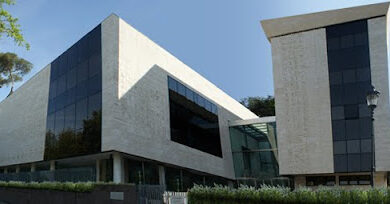
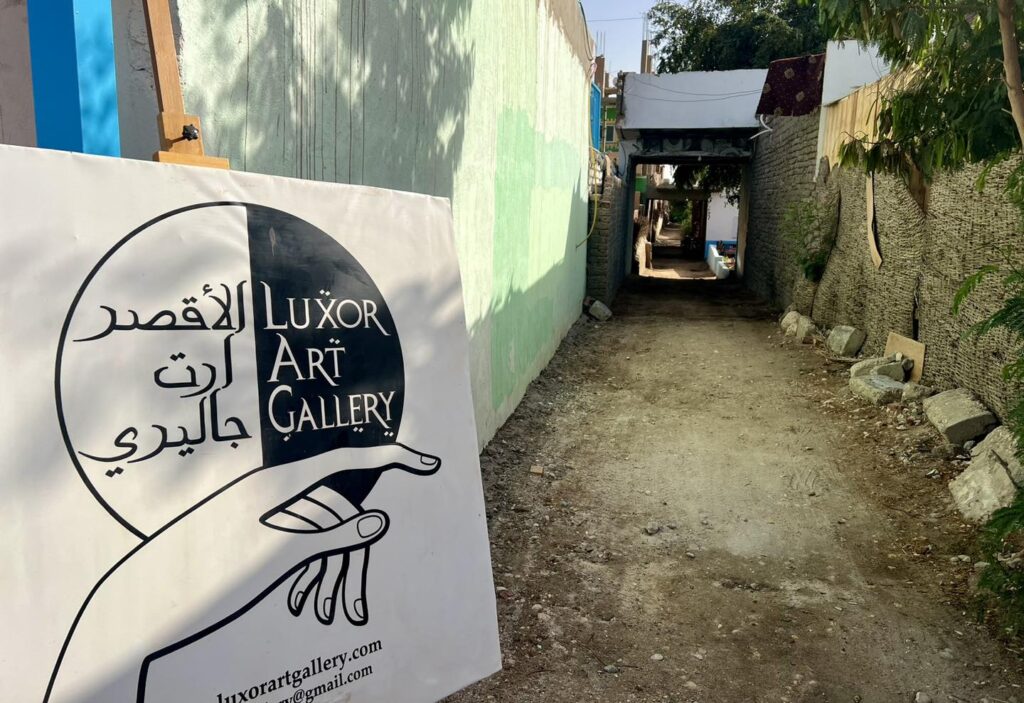
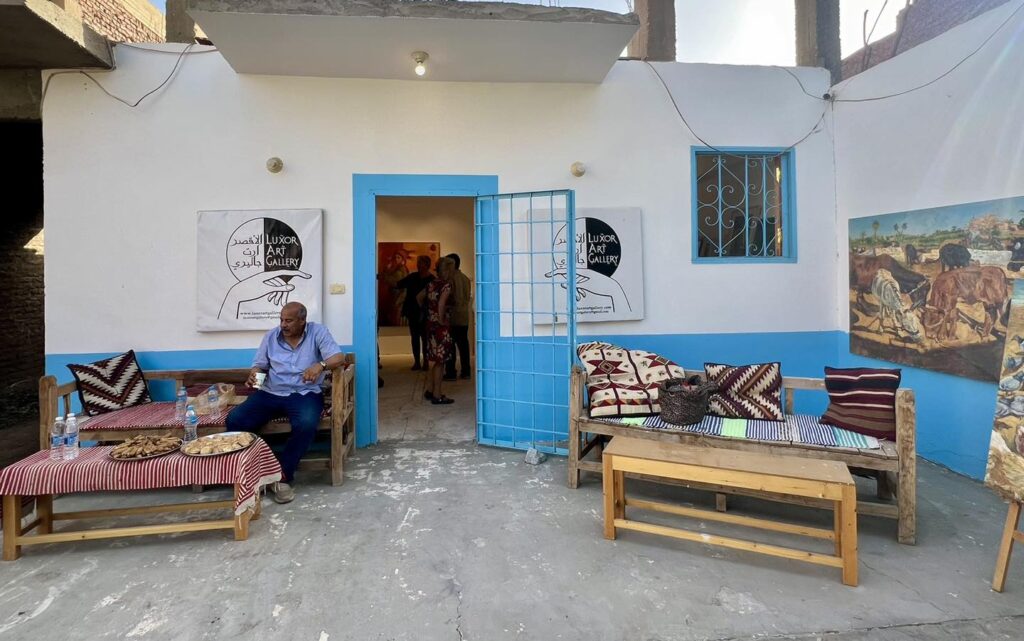
The afternoon sun washed the white façade of the Luxor Art Gallery in a warm golden hue as I stepped inside for the opening of “Sa‘idi Spirit – Ø±ÙˆØ ØµØ¹ÙŠØ¯ÙŠâ€, an exhibition that does not merely present art, but channels the heart of Upper Egypt itself. On Monday, 7 April at 4pm, artists and admirers alike gathered to witness a bold, textured, and emotional homage to the people of the South—el Sa‘ayda—through paint, print, fabric, and memory.
This isn’t just a show. It’s a declaration: of identity, of resilience, of memory handed down like heirlooms in a Sa‘idi family.
Dominique Navarro: Curator and Collaborator of Cultures
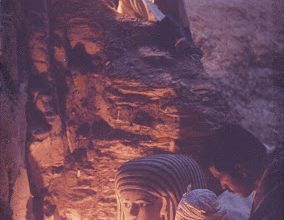
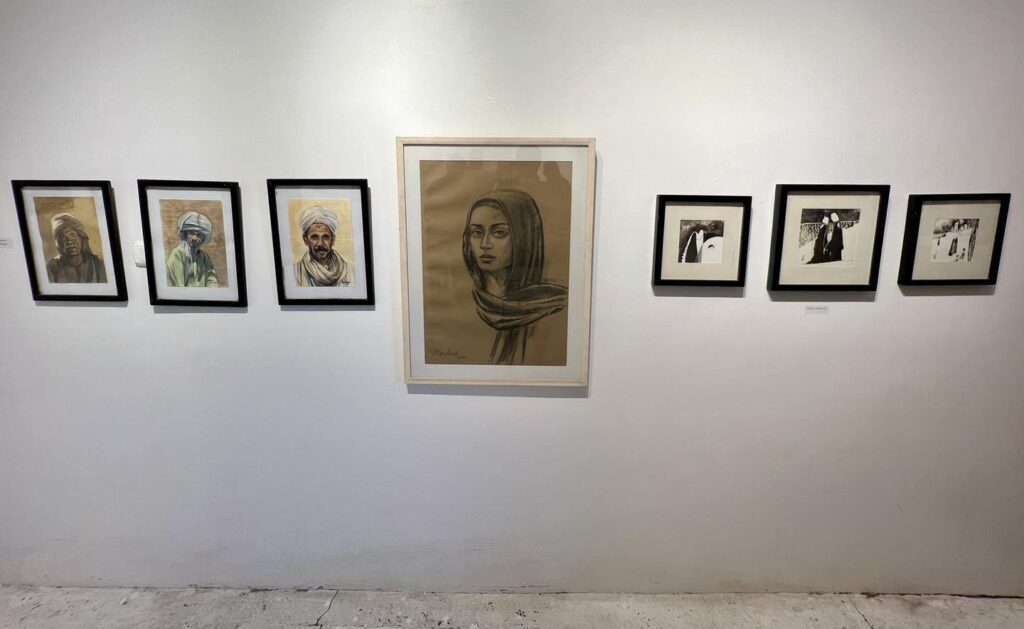
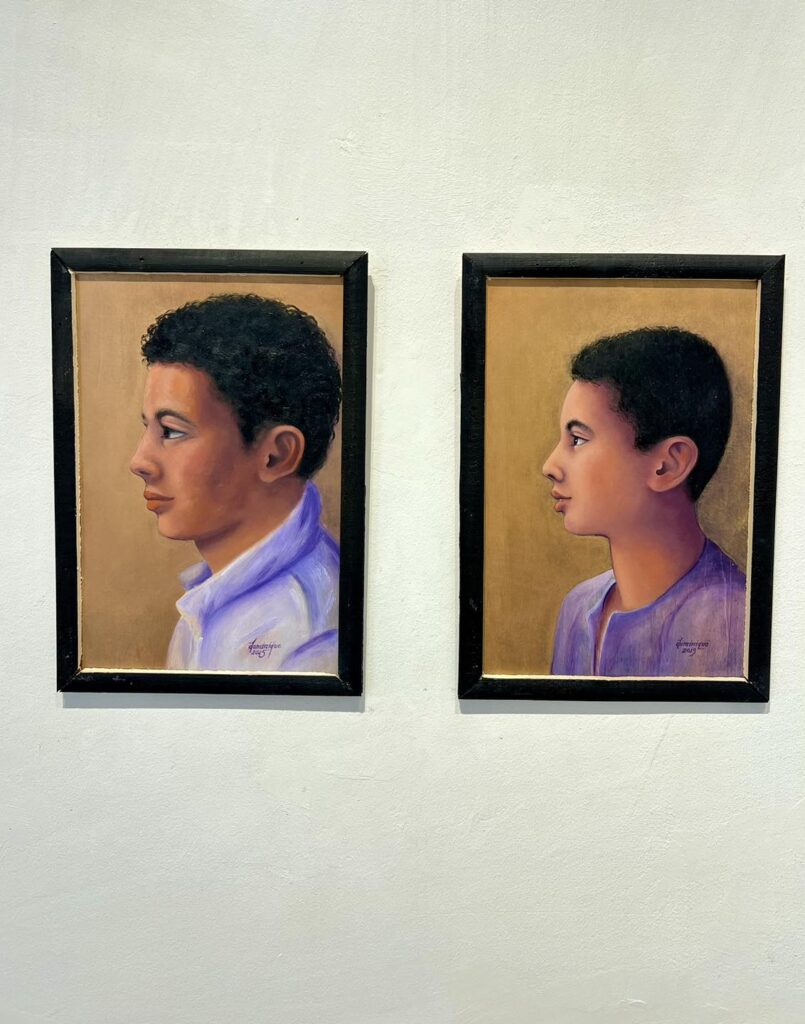
At the heart of this powerful display is Dominique Navarro, the multidisciplinary artist, author, and archaeological illustrator whose profound relationship with Egypt’s land and people resonates in every frame of this exhibition. Her curated collection bridges contemporary expression with ancestral echoes, revealing a deep understanding of the Sa‘idi character. Her own works—delicate yet bold, like the people they represent—feature a language of line and symbolism shaped by years of working on tomb epigraphy, most notably in the Theban Necropolis. Her lines seem lifted from limestone walls and set to dance on modern paper.

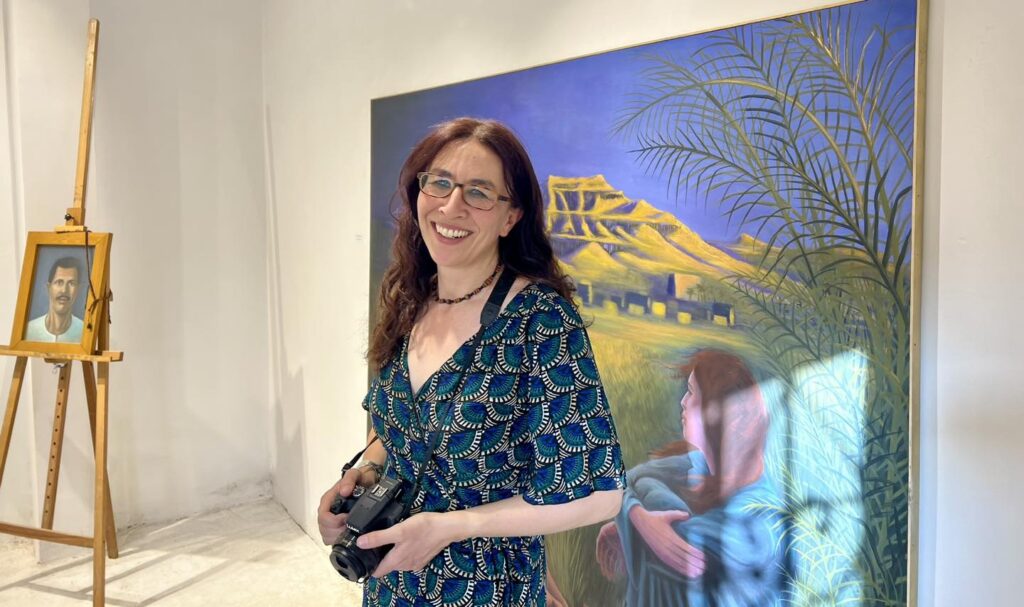
Navarro’s vision for “Sa‘idi Spirit†is more than curatorial. It is an act of translation—converting the intangible values of Sa‘idi life into something visual and global. She writes, sketches, and composes in ways that give dignity to silence, to rural songs unsung on city stages. The inclusion of both Egyptian and foreign artists reflects her belief in cultural dialogue, rooted in respect, not appropriation.
Johannes Weninger: The Brush of Upper Egypt
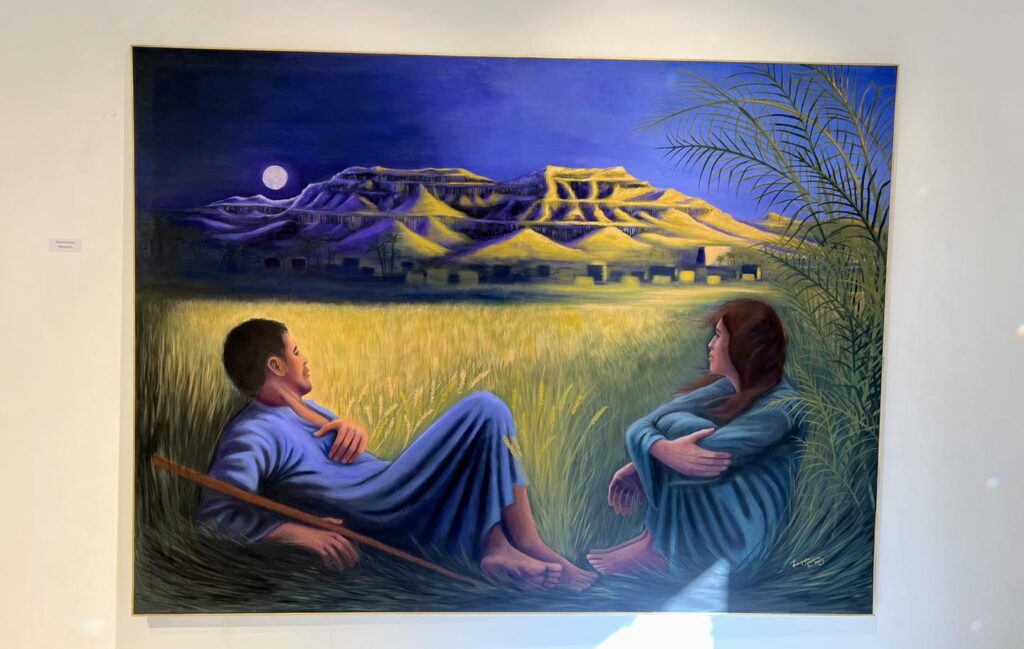
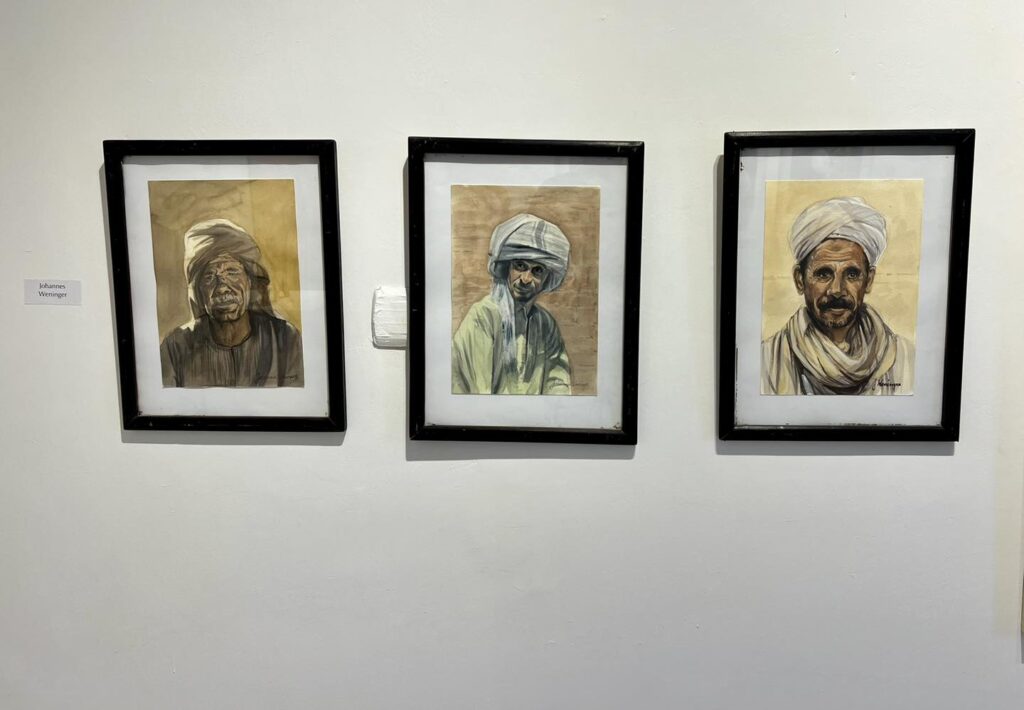
A standout presence in the exhibition is German-American artist Johannes Weninger, whose long engagement with Egyptian culture—particularly in Upper Egypt—is evident in his layered, emotive canvases. Weninger does not exoticize; he listens. His work brings forth a textured empathy, capturing scenes of village life not as frozen tableaux, but as living, breathing spaces.
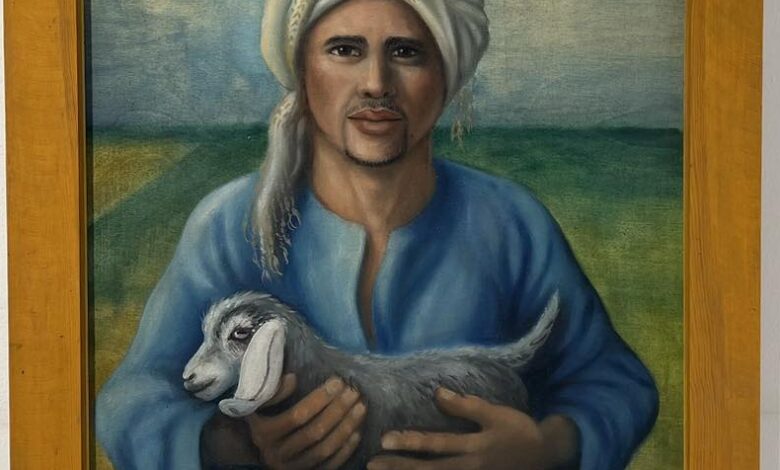
One of his works, a portrait of a Sa‘idi elder bathed in ochre and shadow, moved many of us to silence. The lines around the eyes, the slightly clenched jaw, the proud tilt of the head—all speak volumes about the unseen histories written into every face in the South. Weninger brings the rural Egyptian man into focus—not as a stereotype, but as a monument.
The Collective Voice: A Chorus of Contemporary Egyptian Artists
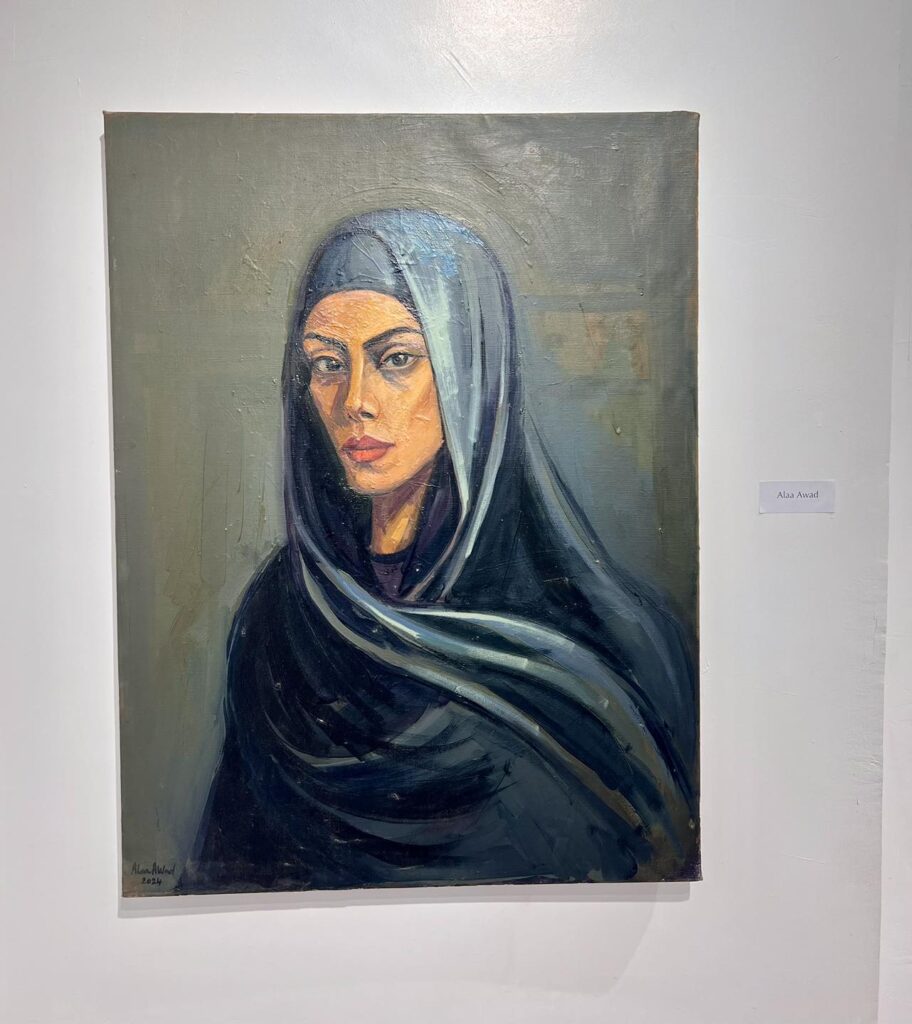
The walls of the gallery hum with the collective power of young Egyptian talents. Alaa Awad, well-known for his neo-pharaonic murals that elevate everyday Egyptians to mythic status, brings new pieces that pulse with revolutionary reverence. His brush conjures scenes where pharaonic posture meets modern resistance.
Fatma Abdallah’s pieces drip with femininity and resolve, where Sa‘idi women stand not behind, but beside the rhythm of the land. Shaza Khalid and Merna Farid explore identity in fresh, abstract textures, while Sara El Okally’s work feels like a whisper of old village songs sung in the breeze. Ghada Embarek’s rich earth tones speak of harvest and horizon, and Mohamed Ibrahim and Fares Ahmed Abd Alrehem give us vibrant insights into daily life—moments we might miss, rendered unforgettable in their hands.
A Soul Rooted in the South
What defines Sa‘idi Spirit isn’t just the aesthetic—it’s the authenticity. The Sa‘idi people are the guardians of Egypt’s southern soul, where Nile and memory entwine. Their lives, often portrayed in film or photography through a romantic or reductive lens, find here a fresh dignity.
The exhibition does not attempt to define Sa‘idi life as one thing—it resists the flattening lens. Instead, it celebrates complexity: the soft fold of a galabeya in the breeze, the long shadow of a water wheel, the loud laugh of a woman strong with sun and story. It gives space to the women, the workers, the storytellers, the silence.
Sitting outside the gallery, enjoying Egyptian tea and local pastries with the scent of dust from the nearby fields followed me. I felt as though I’d just walked through a modern temple—not of gods, but of people. The Sa‘idi people.
“Sa‘idi Spirit – Ø±ÙˆØ ØµØ¹ÙŠØ¯ÙŠâ€ runs at the Luxor Art Gallery through the end of the month. If you’re in Luxor, come with an open heart. The spirit of the South is waiting.
Luxor Times
Celebrating Egypt’s Past, Present, and the Soul in Between.