
A joint Egyptian-Italian archaeological mission has uncovered a series of previously unknown family tombs dating back to the Late Period, Greek, and Roman eras near the Aga Khan Mausoleum in West Aswan. The discovery offers a glimpse into the health and mortality of ancient populations in the region.
Dr. Mohamed Ismail Khaled, Secretary General of the Supreme Council of Antiquities, announced the finding, highlighting its historical significance. “This discovery adds a new chapter to the history of the Aga Khan mausoleum area,” he said. The tombs, many of which still contain parts of mummies and funerary tools, provide valuable information about the era and suggest the potential for further discoveries in the region.
Dr. Ayman Ashmawy, Head of the Egyptian Antiquities Sector at the Supreme Council of Antiquities, stated that 33 tombs were uncovered, all dating from the Late Period through the Greek and Roman periods. Studies of the mummies indicate that 30% to 40% of those buried died young, from infancy to adolescence.
The architectural layout of the tombs varies. Some feature arched entrances leading to open courtyards surrounded by mudbrick walls, while others are directly carved into the mountain rock.
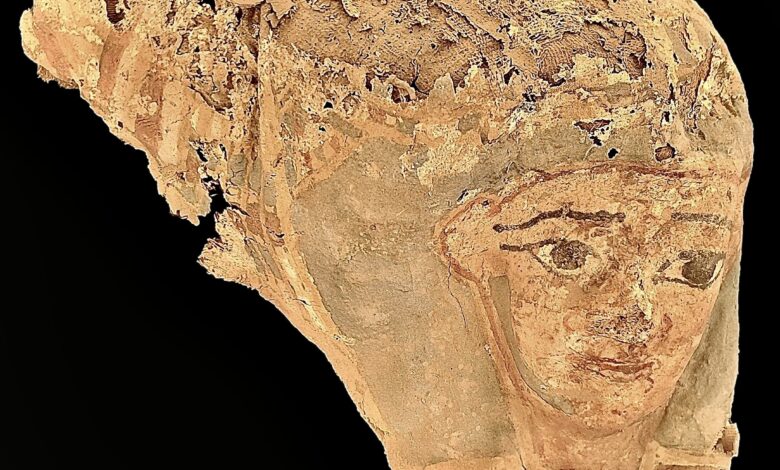
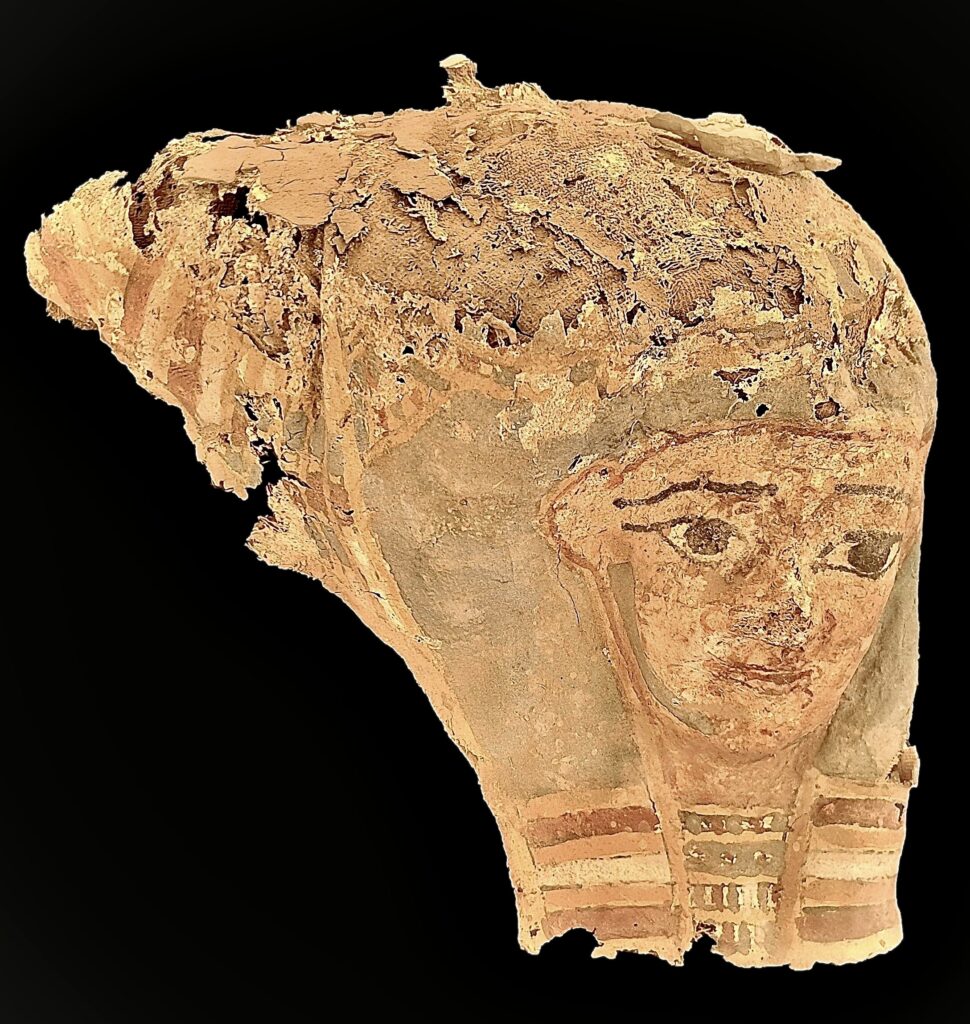
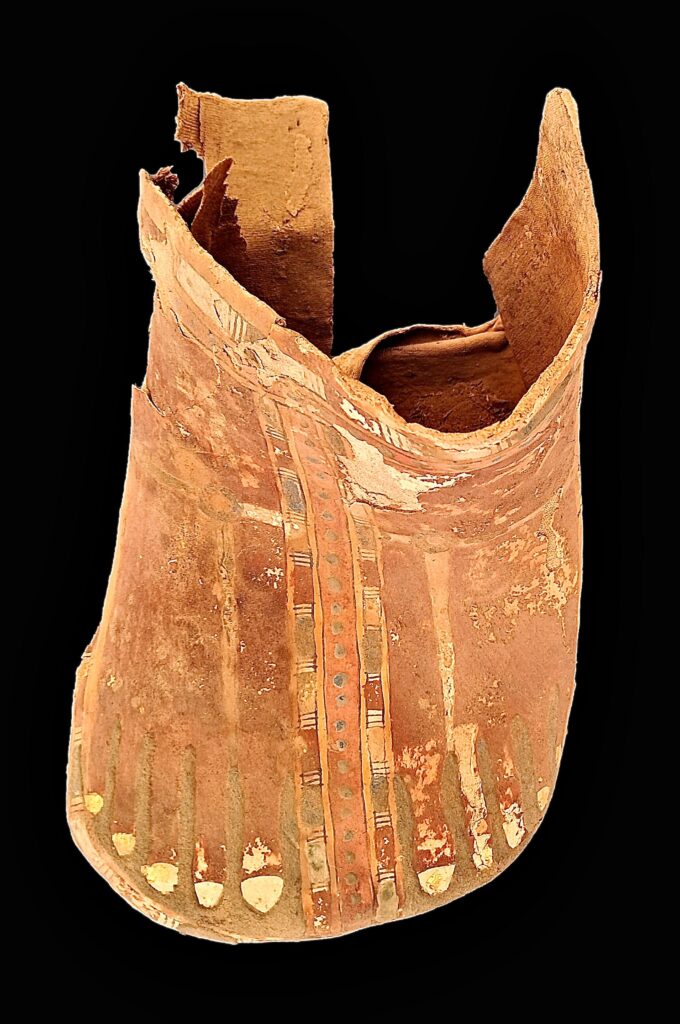
Dr. Abdel Moneim Said, General Supervisor of Aswan and Nubia Antiquities and the Egyptian Director of the mission, reported the discovery of several mummies, including a probable adult female and a child who likely died at one or two years of age. The bodies, still attached, were found inside a stone sarcophagus. The mission aims to study their relationship further. Other findings include remains of colored cartonnage, figures made of burnt clay, stones, wooden coffins, and offering tables.


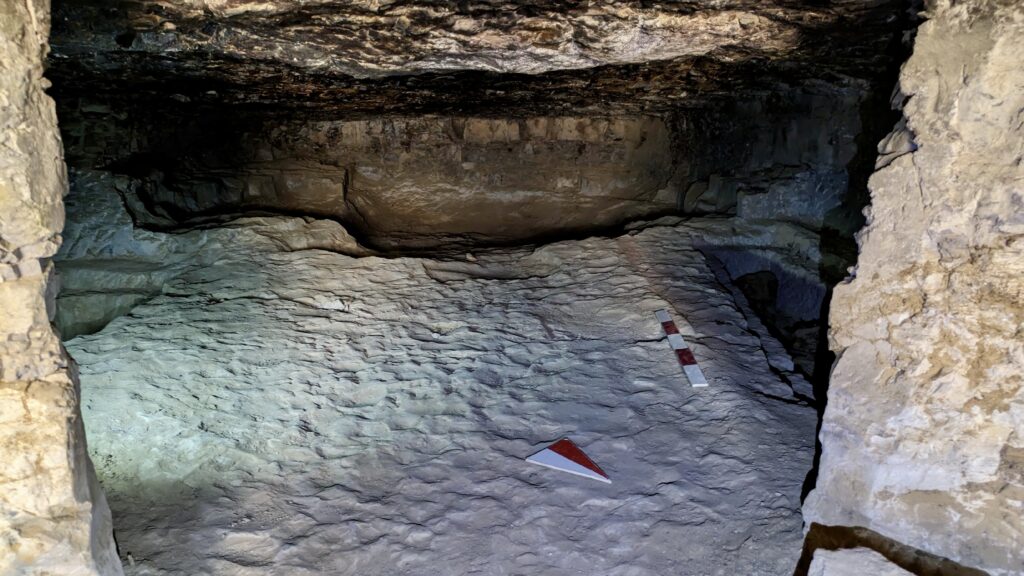
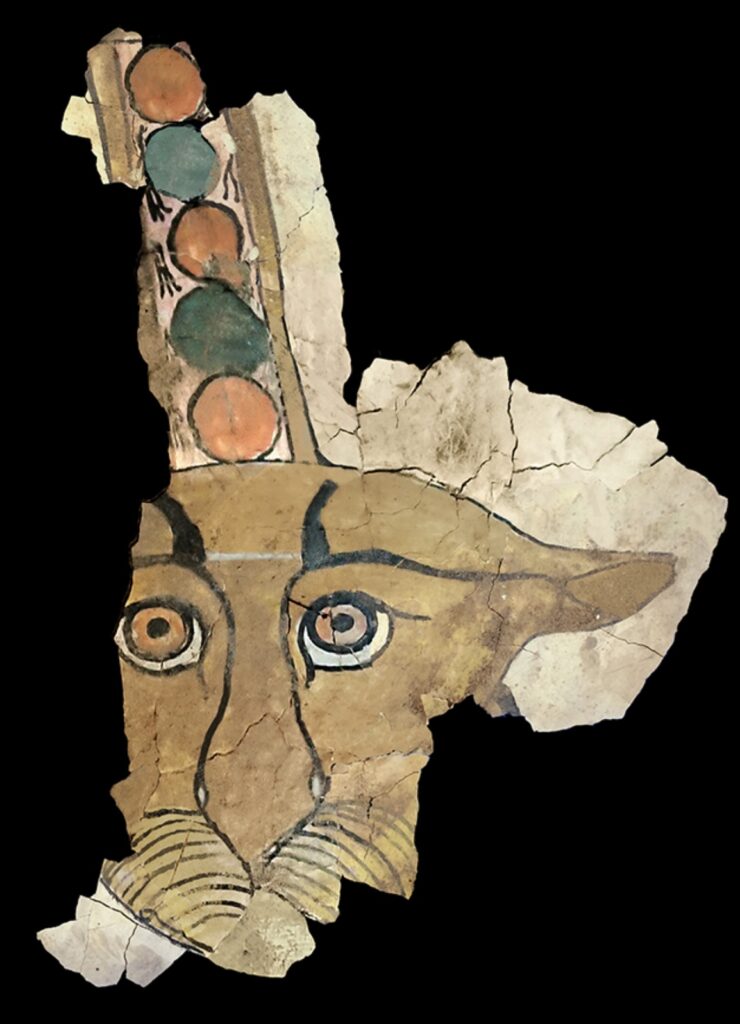
These discoveries suggest that the middle class of Aswan Island’s population was buried in this part of the cemetery, while the upper part was reserved for the elite. Numerous studies and X-ray analyses using advanced technology have been conducted on the mummies to reveal detailed images of their facial features, sex, age at death, and whether they died from organic diseases.
Dr. Patrizia Piacentini, Professor of Egyptology at the University of Milan and the Italian Director of the mission, noted that preliminary studies indicate some mummies died young, while others died from infancy to adolescence. Some individuals suffered from infectious diseases and bone disorders, with signs of pelvic fractures in some adult women, evidenced by bone trauma. Additionally, some mummies showed signs of anemia, malnutrition, chest diseases, tuberculosis, and osteoporosis.
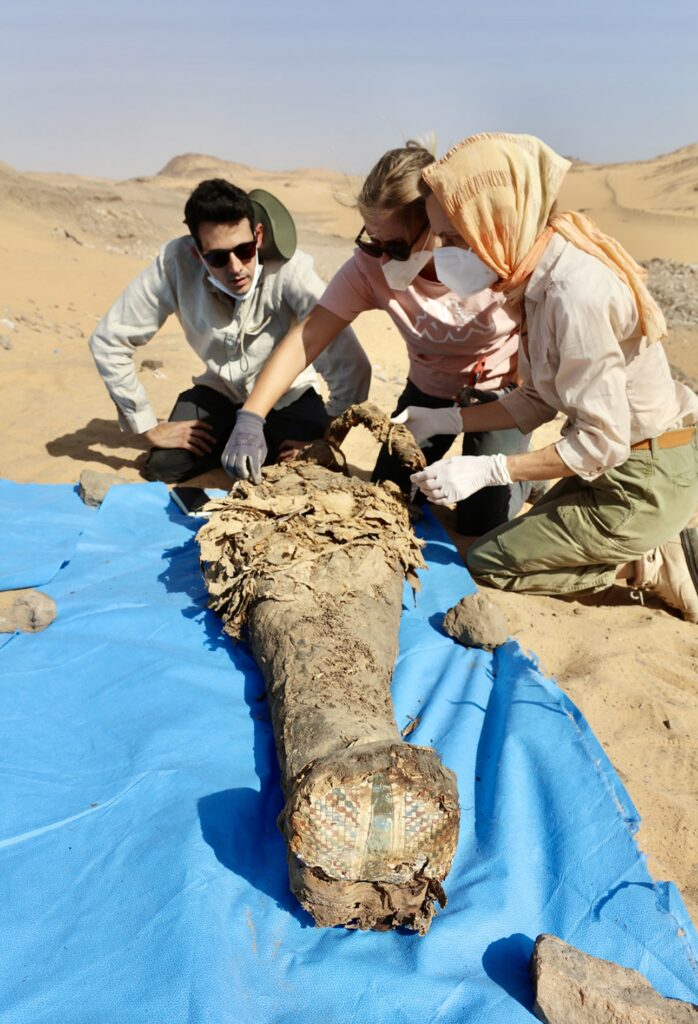
Dr. Piacentini also observed that some individuals died at an advanced age and suffered from severe bone diseases. She confirmed that the mission will continue its work at the site, aiming to uncover more about this significant archaeological location.
#Egypt#Egyptology#Archaeology#Aswan#Mummies