
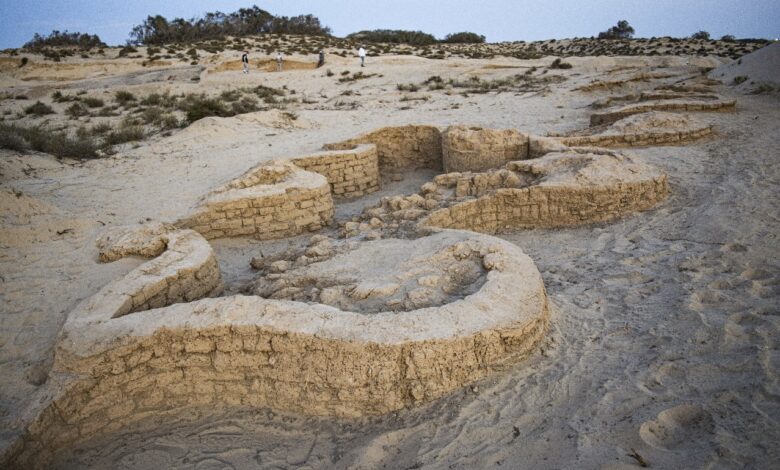
The Egyptian archaeological mission working at the Tell el-Kharouba site in Sheikh Zuwayed, North Sinai, has uncovered a massive military fortress dating back to the New Kingdom. It is considered one of the largest and most strategically important fortresses discovered to date along the ancient Horus military road, near the Mediterranean coast.
This remarkable discovery adds a significant new chapter to our understanding of Egypt’s defensive infrastructure during the New Kingdom. The pharaohs of that era developed an extensive chain of fortresses and military outposts to secure Egypt’s eastern borders and protect the vital overland route that linked ancient Egypt with Palestine.
Minister of Tourism and Antiquities Sherif Fathy described the discovery as “a tangible embodiment of the ancient Egyptian genius in constructing an integrated defensive network to safeguard Egypt’s land.†He added that it “recounts new chapters of our distinguished military history and reinforces Sinai’s status as a land rich in unique cultural testimonies across the ages.â€
Dr. Mohamed Ismail Khaled, Secretary-General of the Supreme Council of Antiquities, emphasized that the discovery of such a monumental fortress represents a major step toward reconstructing the full picture of Egypt’s eastern defensive system during the New Kingdom. “Every new fortress we uncover adds another block to our understanding of pharaonic military organization,†he said. “It confirms that ancient Egyptian civilization was not limited to temples and tombs, it was also a state of strong institutions capable of protecting its territories and borders.â€
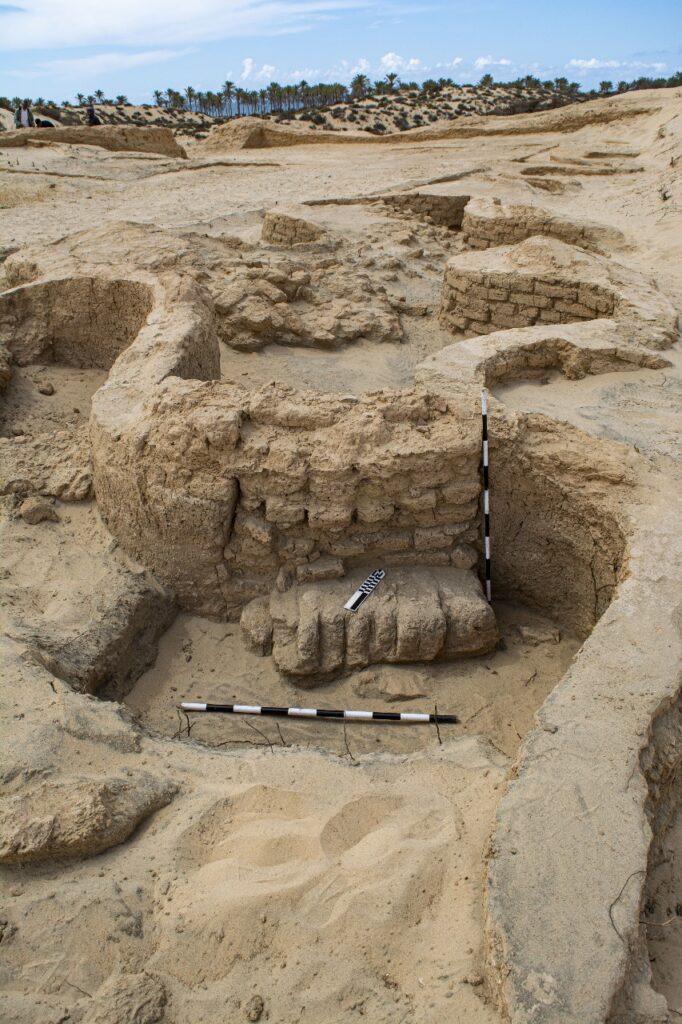
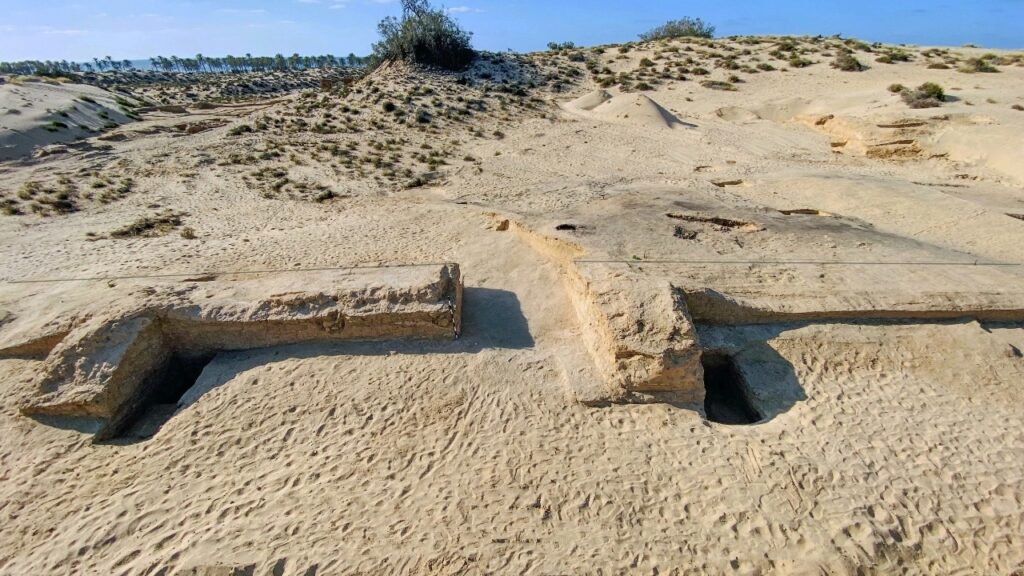
Excavations revealed part of the southern wall of the fortress, stretching approximately 105 meters in length and 2.5 meters in width, with a secondary entrance measuring 2.20 meters across. Eleven defensive towers have been uncovered so far, along with the northwest bastion and sections of both the northern and western walls. The team faced major challenges due to shifting sand dunes that had engulfed large portions of the site.
Mohamed Abdel-Badea, Head of the Ancient Egyptian Antiquities Sector, added that the mission identified a 75-meter-long zigzag wall on the western side of the fortress, running north to south and enclosing a residential area designated for soldiers. This distinctive architectural design is characteristic of New Kingdom fortresses and reflects the adaptability of ancient Egyptian engineers to harsh desert conditions.


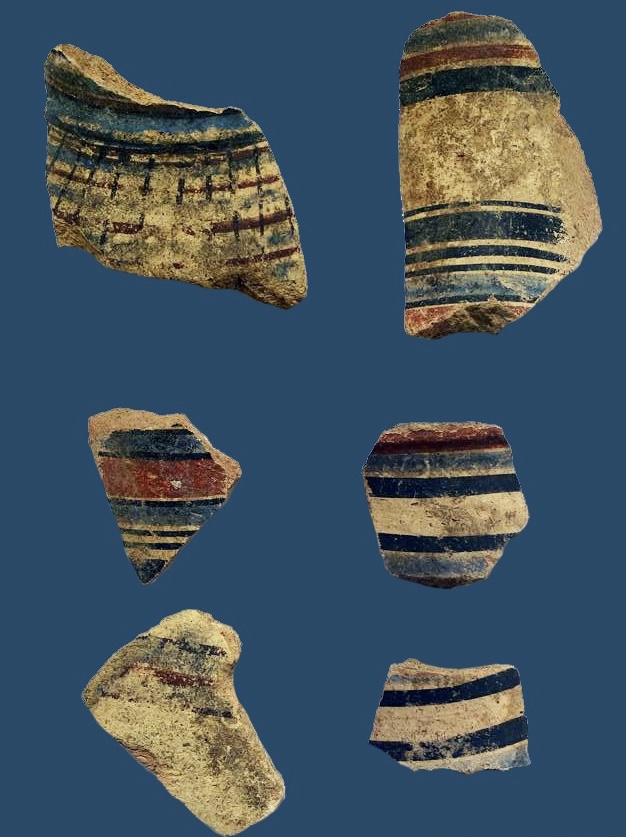
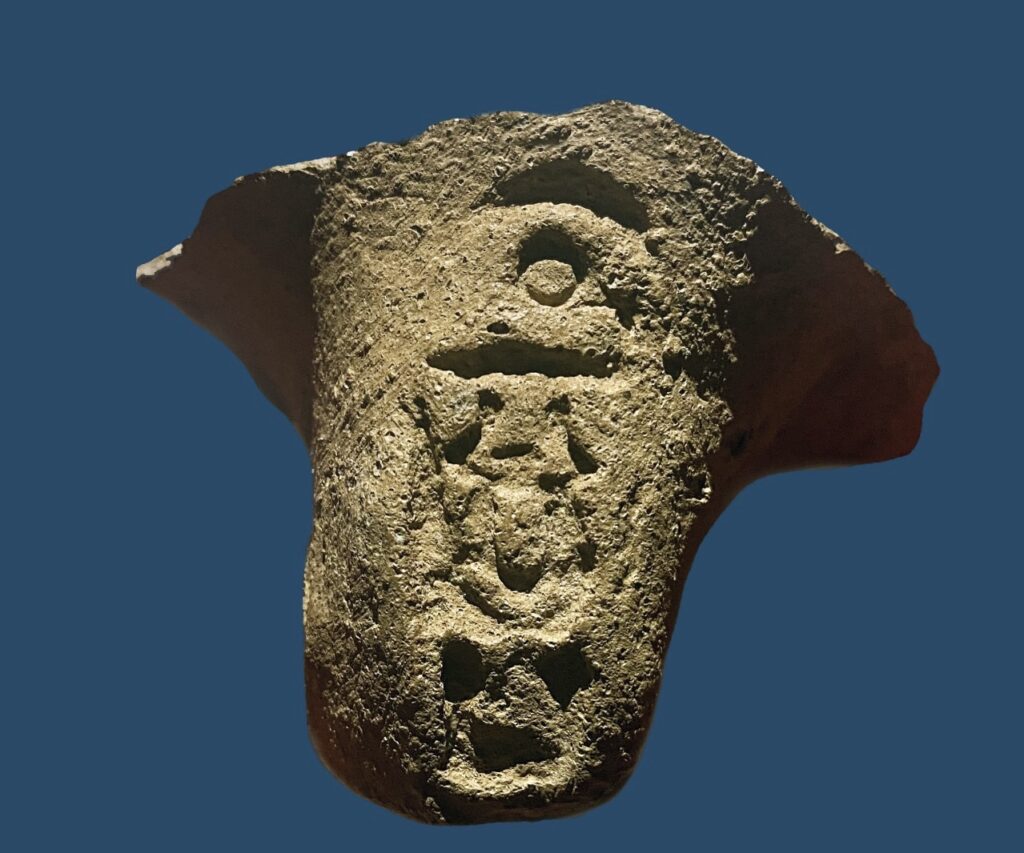
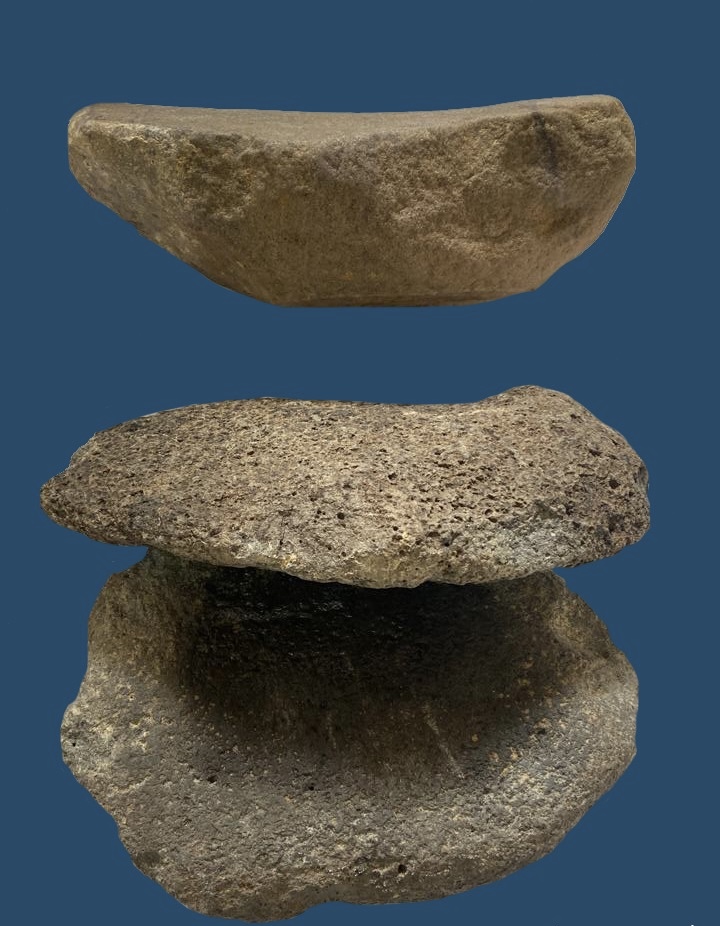
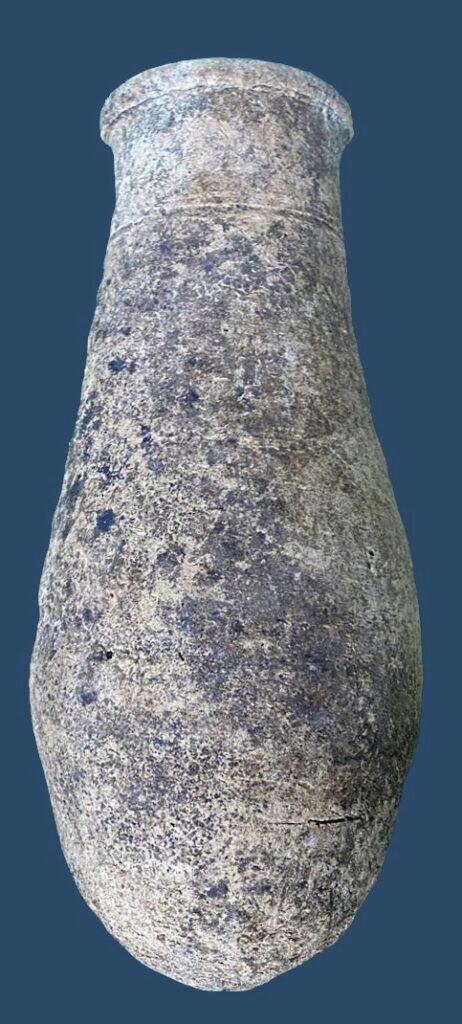
The mission also uncovered a wide range of pottery fragments and vessels, including foundation deposits beneath one of the towers dating to the first half of the 18th Dynasty. A jar handle stamped with the name of King Thutmose I was found, alongside quantities of volcanic stone believed to have been transported by sea from the volcanic islands of Greece. A large bread oven was discovered with remains of petrified dough still inside, evidence that the fortress functioned as a fully equipped garrison and living center for soldiers.
According to Dr. Hesham Hussein, Head of the Central Department of Delta Antiquities, preliminary studies show that the fortress underwent multiple phases of repair and modification over time, including repeated alterations to the southern entrance. The mission hopes to continue excavations to uncover the remaining walls and associated structures, with expectations of locating the military harbor that once served the fortress near the coast.
The newly discovered fortress covers an area of roughly 8,000 square meters, three times the size of the earlier fortress found at the same site in the 1980s, located around 700 meters to the southwest. It now joins a distinguished list of New Kingdom military sites discovered along the Horus Road, including Tell Heboua, Tell el-Borg, and Tell el-Ahmar.
As excavations continue, this newly uncovered stronghold promises to reshape our understanding of Egypt’s eastern frontier, revealing not only how the pharaohs defended their borders, but how soldiers lived, worked, and sustained an empire at the edge of the desert.
#Egypt#Archaeology#Egyptology#Sinai