
An Egyptian team of archaeologists unearthed the remains of a residential and commercial settlement dated back to Greek and Roman eras during the ongoing excavations in Shatby modern district. Dr. Mostafa Waziry said that important of the discovery that it sheds the light on the different activities was happening at the outer walls of the Egyptian capital at the Greco-Roman time. The discovered settlement has area for travelers and visitors of the city to rest till they get the permission to enter as well as areas for checking the incoming goods to determine the tax amount to be paid.
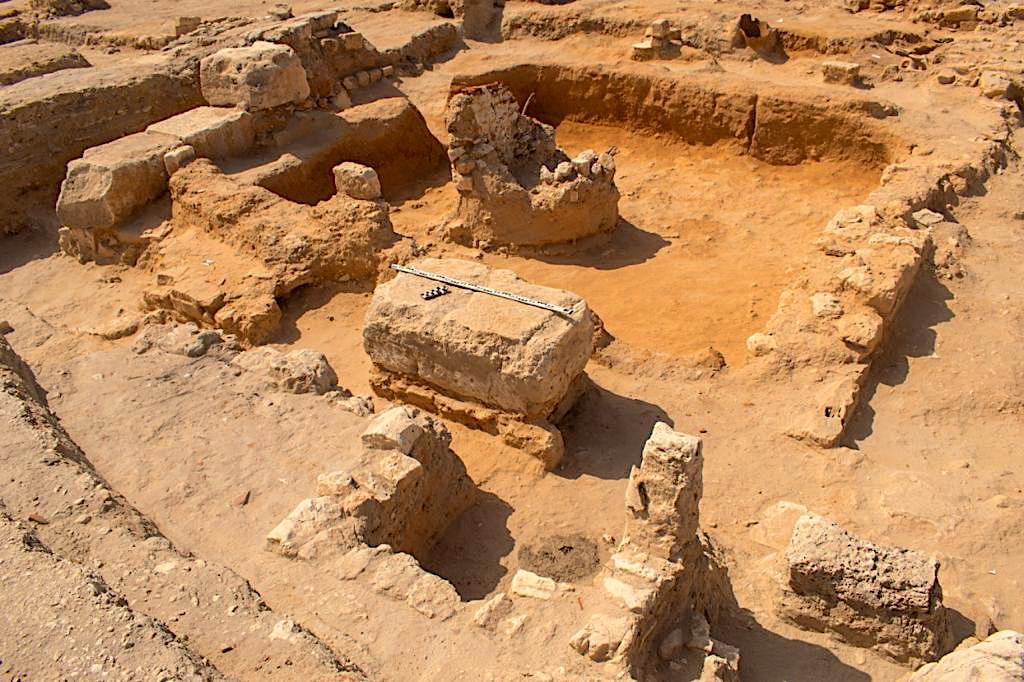
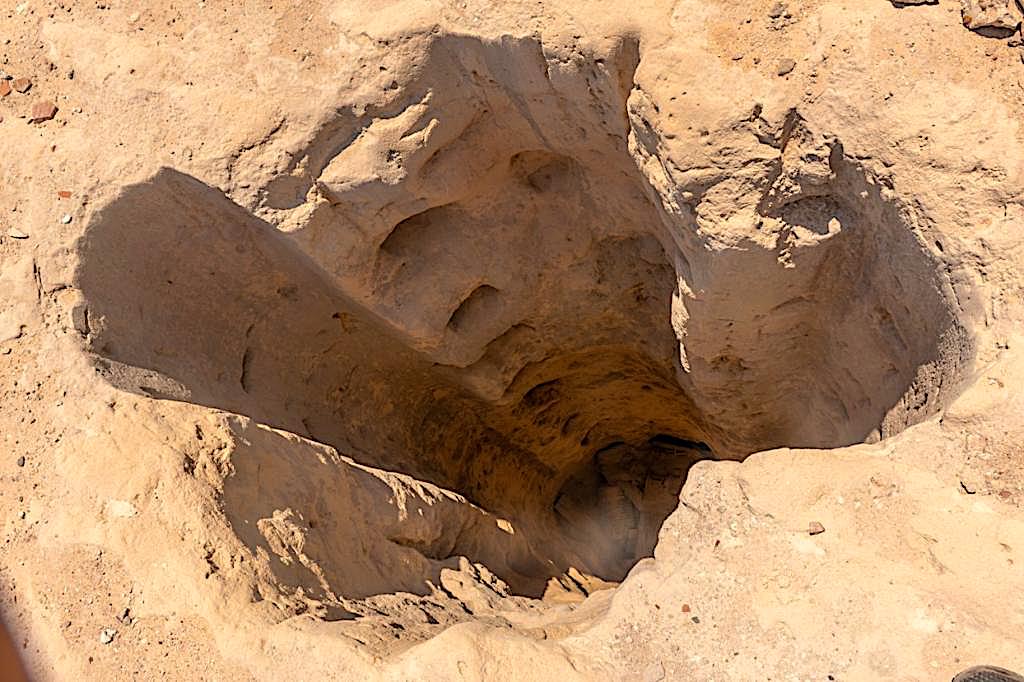
The preliminary studies show that the discovered district consists of a main street then side streets of the main one and all connected to a sewer network. This settlement was populated for a long time extended approximately between the second and fourth century. Dr. Aiman Ashmawi said that the team uncovered a number of rock-cut water wells as well as a large network of over 40 tunnel tanks to store water from wells, rain and flood to use during the dry seasons.
A number of pottery and statues which is an indication to how busy the district used to be.Dr. Nadia Khedr said that the remains of a chapel was also discovered.


The chapel was dedicated to Goddesses Athena and Demeter and parts of both of their statues were found in the chapel as well as the remains of a room next to the chapel contains a number of small ovens were used in cooking for the chapel administrators. Remains of amphorae and small cereal storages were found too.
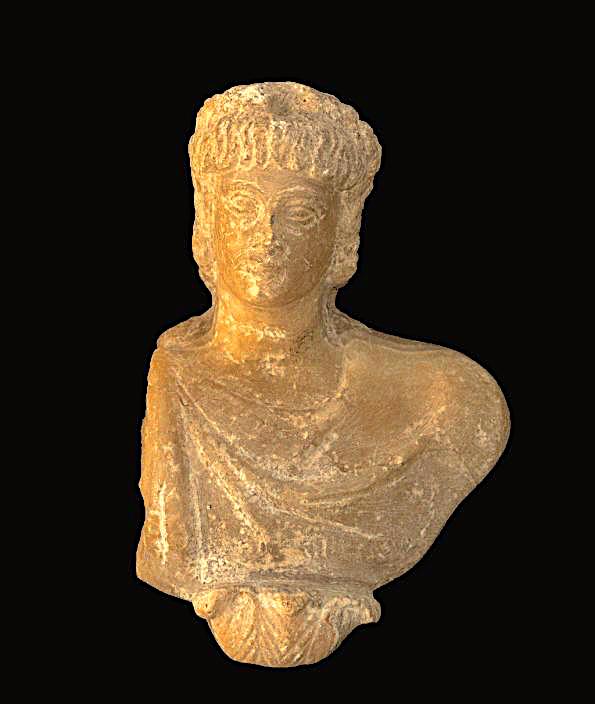
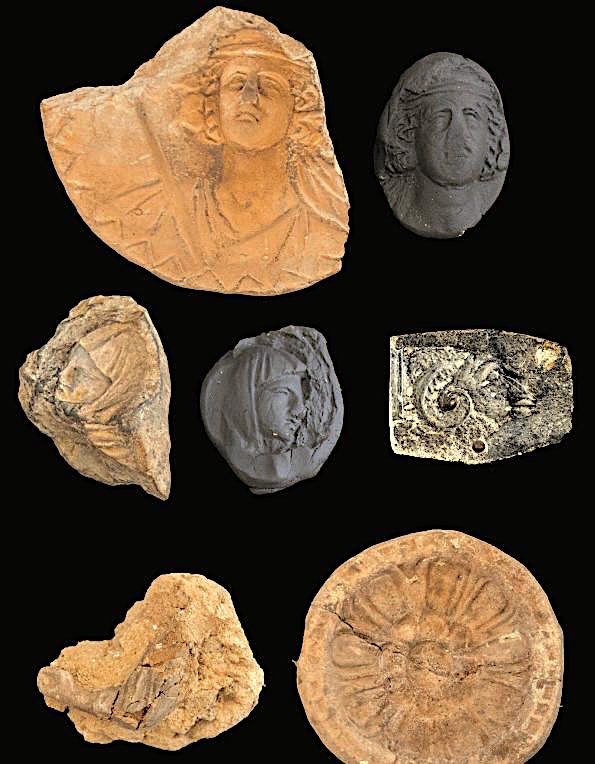
Dr. Khalid Abo Elhamd (General director of Alexandria Antiquities) said that the studies show that the discovered district had a market with workshops and shops selling offerings pottery as well as creating gods, goddesses, mythical heroes and emperors’ statues as the molds used for the statues were found and an alabaster bust statue of a roman emperor too.
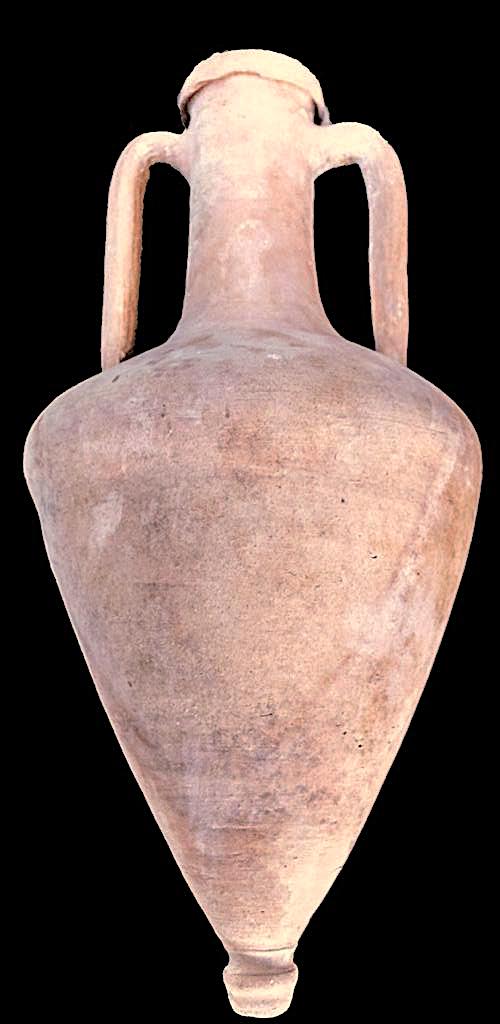
A large number of amphorae parts, amulets, nearly 700 coins, pots of different sizes and plates alongside industrial tools such as spinning loom and fish nets discovered too. Mr. Ibrahim Mostafa (head of the team) said that the discovered antiquities refer to how it was connected with the incoming trade and fishing activities as most of the discovered items in the statues making workshop refers to most of the customers as fishermen based on the statues of the gods and goddesses related to fishing as well as statues of mythical heroes and Alexander the Great which was considered as amulets to protect fighters.
Mr. Ibrahim Mostafa also said that the work at the site took 9 months and at the moment the documentation of the site using 3D photometry is ongoing. As for the discovered antiquities will go through the restoration and conservation process and will try to put together some of the discovered broken statues.