
Recently Repatriated Artefacts Find a New Home at the Egyptian Museum in Tahrir
In a powerful reminder that Egypt’s heritage belongs to its people, the Ministry of Tourism and Antiquities has welcomed home 13 ancient artefacts that were taken from the country through illicit means and have now been repatriated from the United Kingdom and Germany. The pieces, representing different eras of ancient Egyptian civilisation, have been formally received from the Ministry of Foreign Affairs and Ministry of Emigration, and transferred to the Egyptian Museum in Tahrir for conservation and eventual public display.
This latest repatriation marks another success in Egypt’s ongoing campaign to protect, preserve, and reclaim its cultural heritage—a mission that spans diplomatic channels, legal measures, and close cooperation with international authorities.
“The return of this collection reflects the Egyptian state’s unwavering commitment to safeguarding its unique heritage,†said Sherif Fathy, Minister of Tourism and Antiquities. “We deeply value the fruitful cooperation between our ministries and the willingness of British and German authorities to facilitate the return of these pieces to their rightful home.â€
How the Artefacts Were Recovered
According to Dr. Mohamed Ismail Khaled, Secretary-General of the Supreme Council of Antiquities, the objects recovered from the United Kingdom were seized and confiscated by the London Metropolitan Police after evidence emerged linking them to an international antiquities smuggling network.


The German returns came after Egypt’s Embassy in Berlin received an official notification from authorities in Hamburg, expressing their readiness to hand over several artefacts from the city’s museum collection once it was confirmed they had left Egypt illegally.
Highlights of the Returned Pieces
From the United Kingdom:
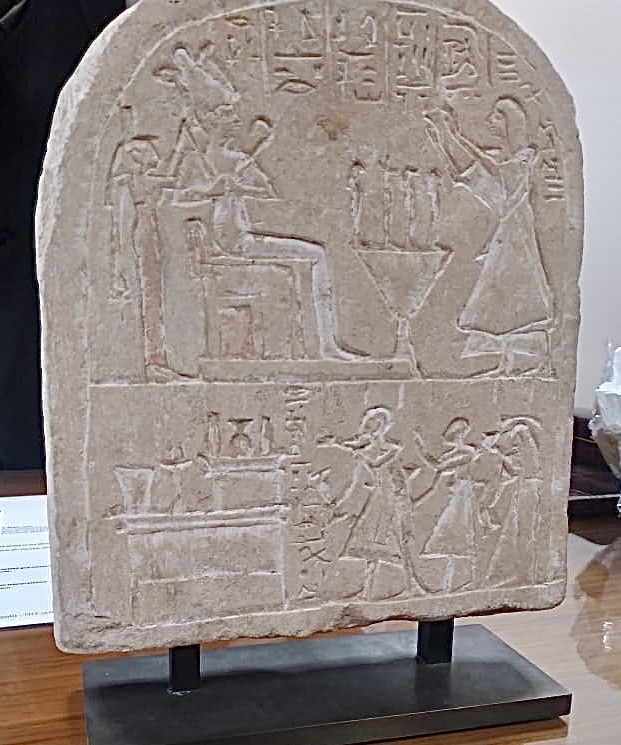
• Limestone funerary stela from the New Kingdom, depicting the deceased Baser, Overseer of Builders, in a devotional scene before Osiris, Isis, and the Four Sons of Horus.
• Small red amulet in the form of a baboon, symbolising divine protection in ancient Egyptian funerary beliefs.
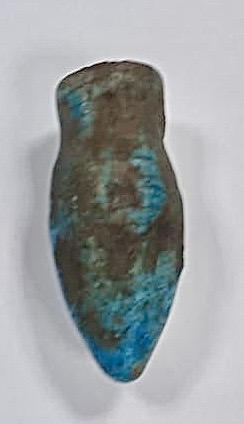
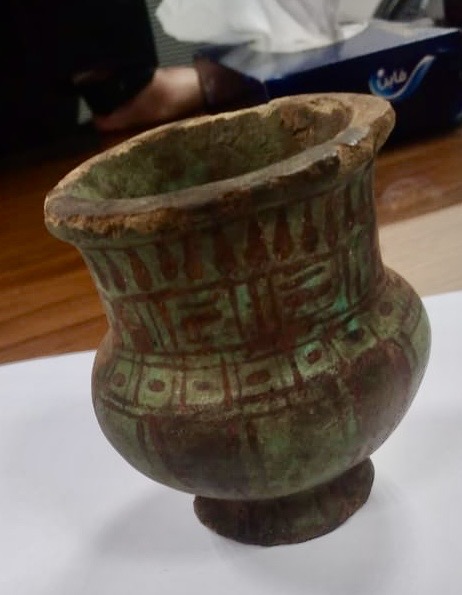
• Green faience jar with a base and a small blue faience funerary vessel, both from the 18th Dynasty.
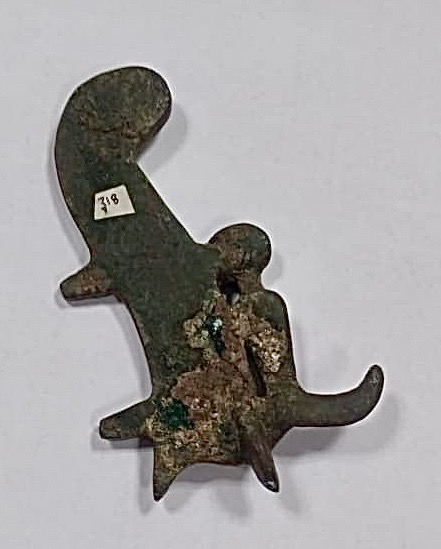
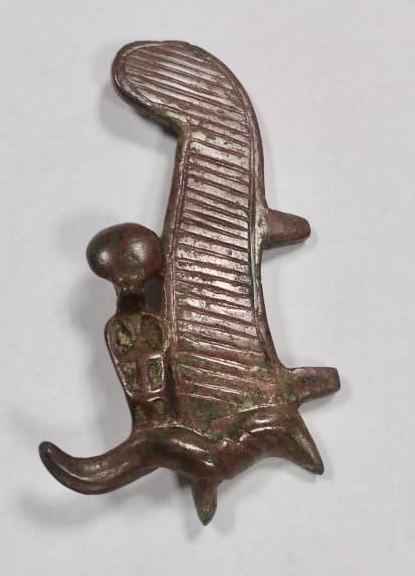
• Fragment of a bronze crown, decorated with a feather, a cobra, and a ram’s head—once part of a large statue of Osiris, dating between the 22nd and 26th Dynasties.
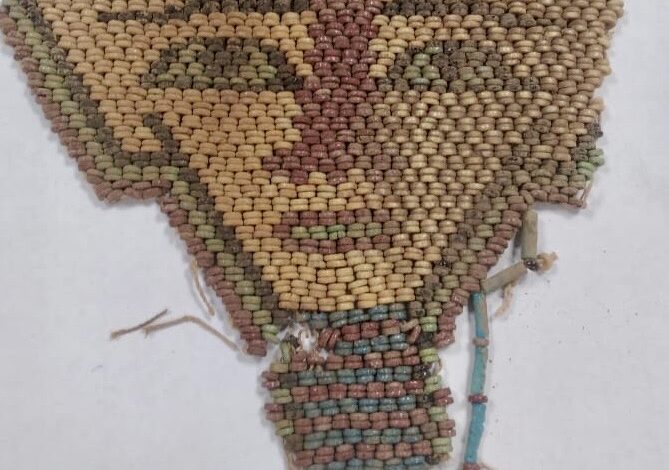
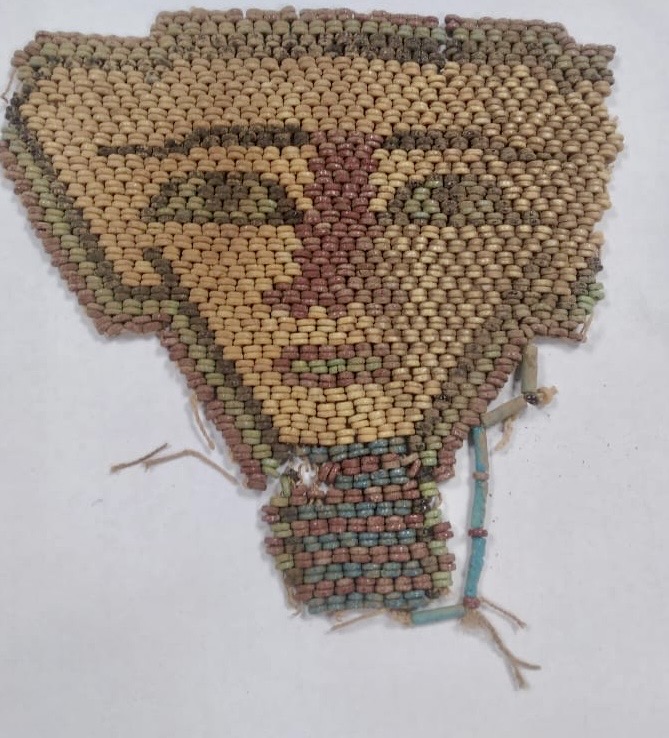
• Beaded funerary mask from the 26th Dynasty.
• Several faience and black stone amulets of various protective forms.
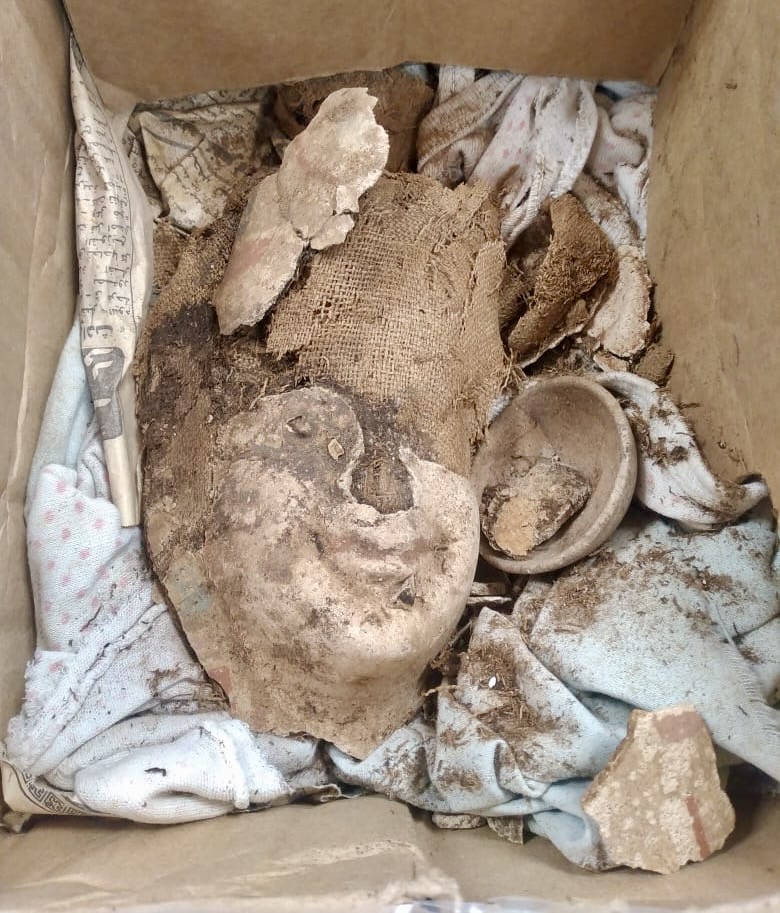
From Germany:
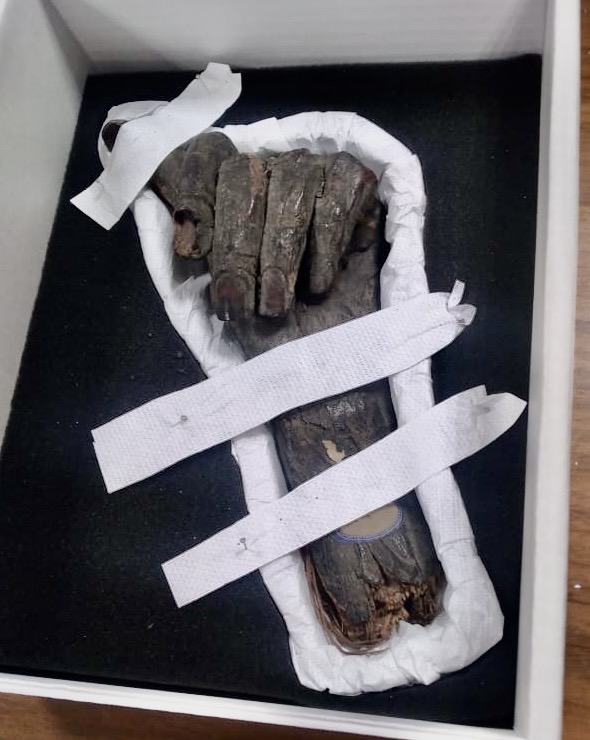
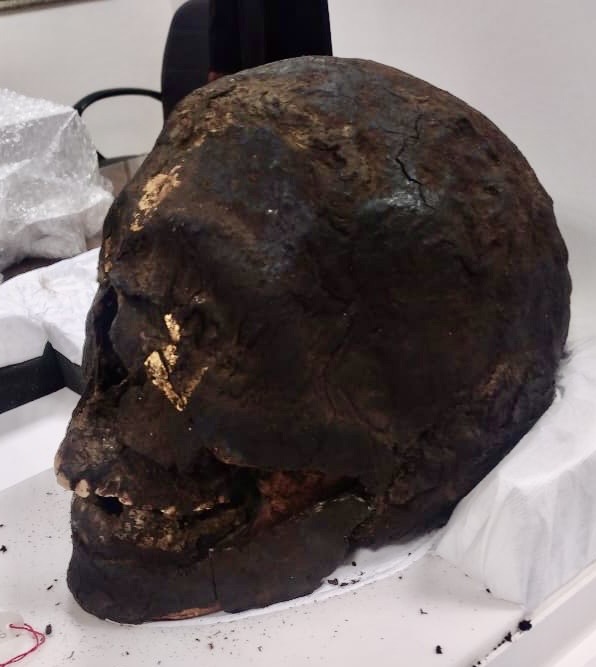
• Skull and hand from an unidentified mummy.
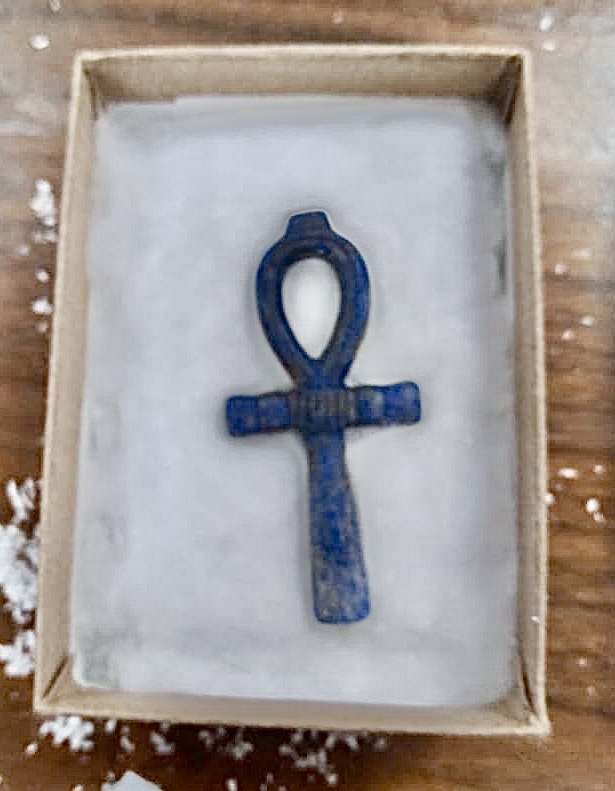
• Ankh amulet, the ancient Egyptian symbol of life.
Back to the People
Shaaban Abdel Gawad, Director-General of the Department for Antiquities Repatriation and Acting Head of the Central Administration of Archaeological Ports, confirmed that all 13 artefacts have now been deposited at the Egyptian Museum in Tahrir. They will undergo conservation and restoration before being showcased in a special exhibition dedicated to recently repatriated artefacts.
This operation underscores Egypt’s growing influence in the global fight against the illegal trade in cultural property. Through diplomacy, legal action, and heritage advocacy, Egypt continues to reclaim fragments of its story from across the world—piece by piece.
#Egypt #GrandEgyptianMuseum #GEM #Archaeology