

King Khufu’s Finds Discovered at the Sun Temple in Ancient City of Heliopolis
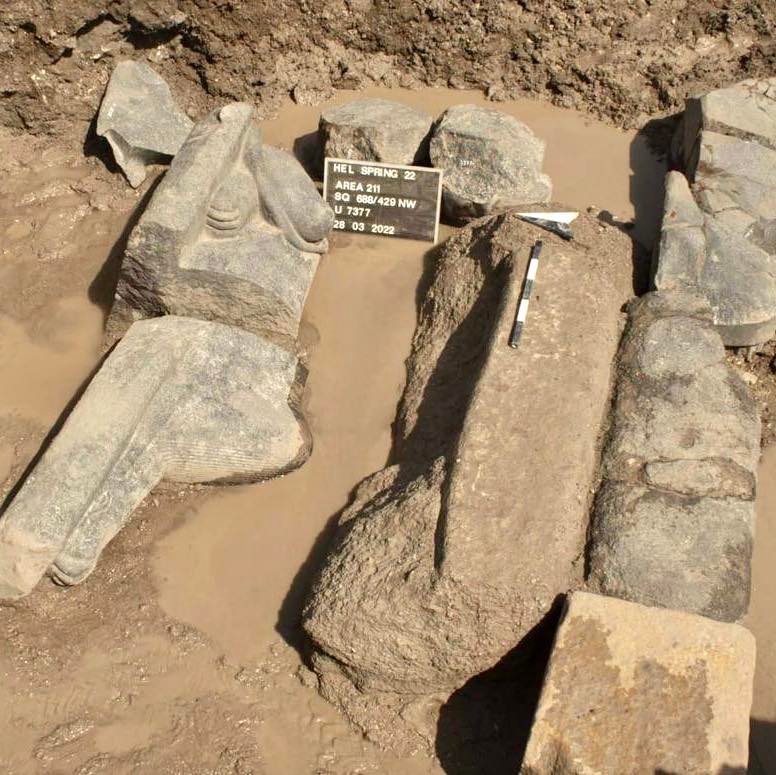
The Egyptian-German archaeological mission working at the modern northeastern Cairo district of Mataria, ancient Heliopolis; the city of the Sun, discovered several granite blocks dated to the reign of King Khufu as well as the temple courtyard foundations dating to the New Kingdom.
A number of statues and offering tables were also discovered during the excavations in the western area of the open air museum by Senusert I obelisk in Mataria.
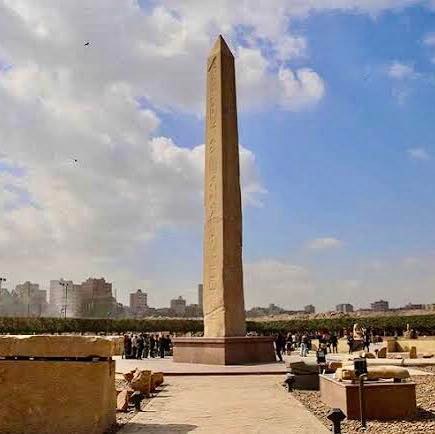
Dr. Mostafa Waziry emphasized the importance of this discovery as it is the first time to discovered King Khufu’s antiquities in Heliopolis.
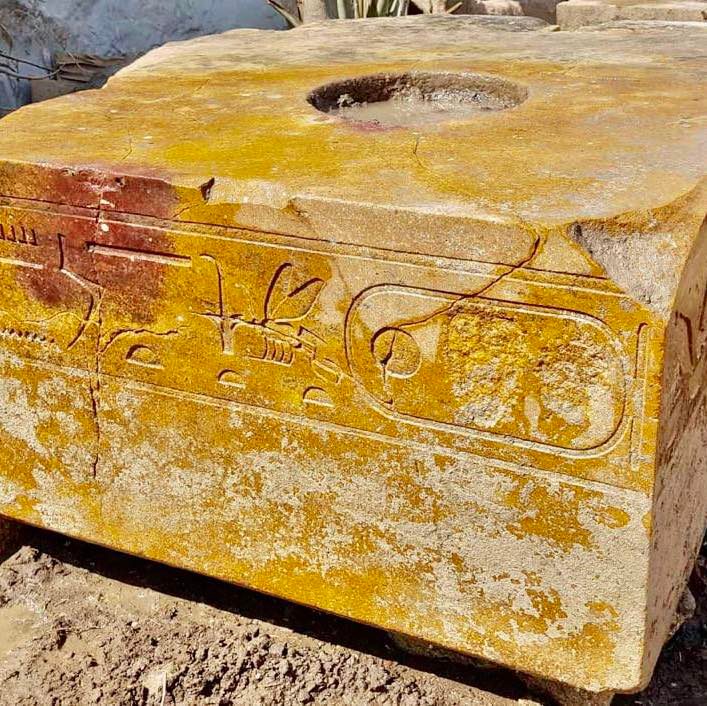
The discovered blocks could be parts of unknown structure or could have been moved from Giza necropolis to be used as construction material in the Ramesside period as reusing parts of older structures were common then.
Dr. Aiman Ashmawi (Mission’s co-director) said “The mission discovered evidences of the early use of this area based on the archaeological layers dated to Dynasty Zero (Naqada III) as well as layers of pottery shreds which indicated a religious and ritual activities in the third millennium B.C besides the evidence of the activities during the 3rd and 4th dynasties as a pieces of granite dated to King Pepy I (2280 B.C) with an engraving of Horus discovered.


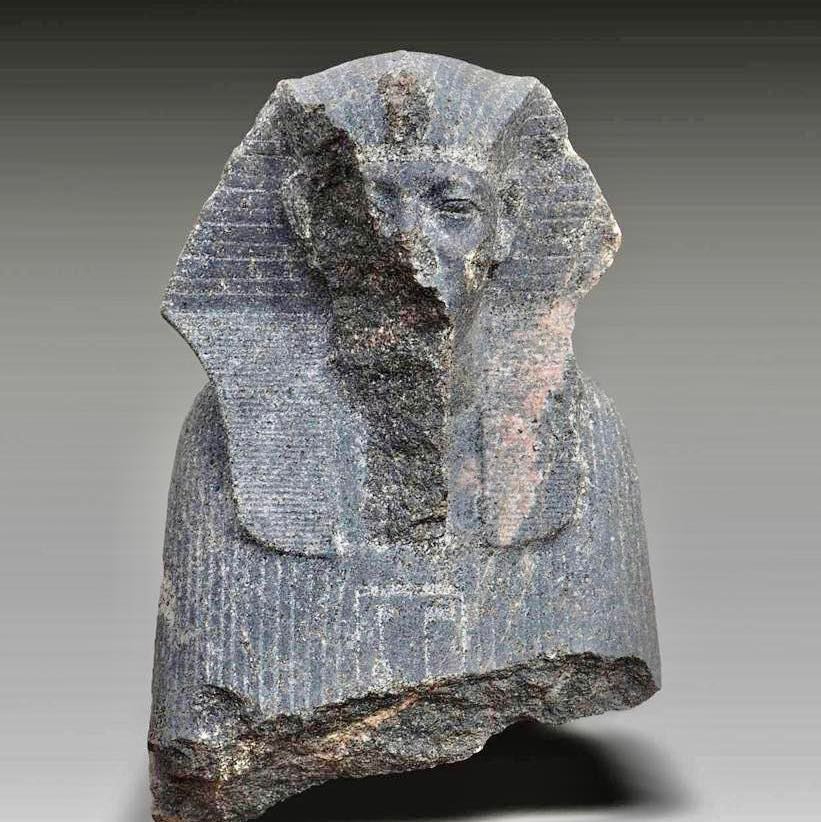
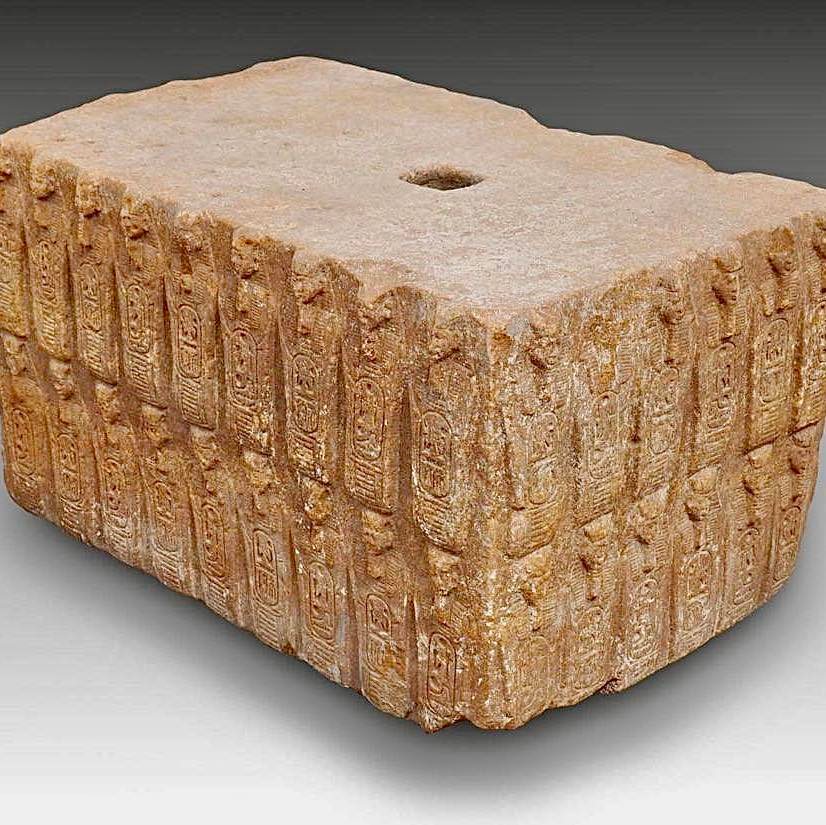
Also a statue base of King Ahmose II and several Late Period offering tables and a number of Sphinxes statues which is an indication of royal presence in the temple.
A number of additions by several kings including Amenemhat II, Senusret III, Amenemhat III, Amenemhat V, Thutmosis III, Amenhotep II, Amenhotep III, Horemoheb, Ramses II and Seti II were added to the temple.
Dr. Dietrich Raue (Co-Director) said that the team discovered parts of shrines (Naos) dated to Kings Amenemhat IV, SobekHotep IV, Ay, Seti I, Osorkon I, Takelot I and Psamtik I.
Also a quartz Sphinx of King Amenhotep II and a pink granite base for a huge Bevin statue.