

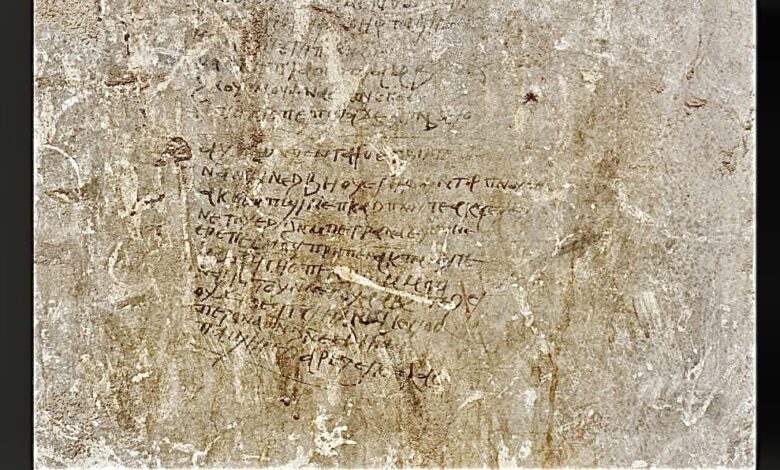
In alignment with the continued efforts of the Supreme Council of Antiquities (SCA) to support archaeological excavations across Egypt, and in accordance with directives issued by H.E. Mr. Sherif Fathy, Minister of Tourism and Antiquities, the Egyptian archaeological mission working in the Monqabad site in the Assiut Antiquities inspectorate has uncovered a remarkable mudbrick structure dated to the 6th and 7th centuries AD—approximately 1,300 to 1,400 years old.
Dr. Mohamed Ismail Khaled, Secretary-General of the Supreme Council of Antiquities, announced that the newly discovered structure is coated in a layer of white plaster and comprises two architectural levels. Within these levels, the team uncovered a series of notable Coptic wall paintings, among them a particularly symbolic composition featuring repetitively painted eyes surrounding a central face, an image interpreted as emblematic of inner spiritual vision. This type of iconography resonates with the Coptic theological concept of divine insight, contrasting worldly perception with spiritual awareness and vigilance in pastoral matters.
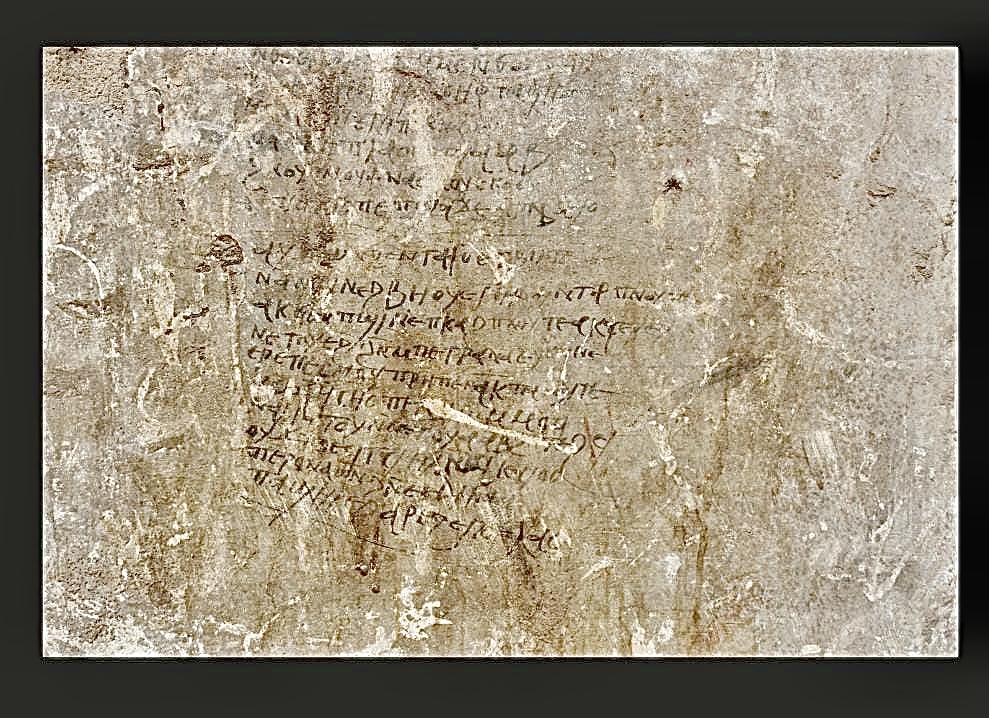
Another distinguished mural fragment depicts the face of a man carrying a young child, interpreted with high probability as St. Joseph the Carpenter holding the Christ Child. Flanking the central scene are representations of the Apostles accompanied by Coptic inscriptions, further affirming the site’s ecclesiastical significance.
Dr. Gamal Mostafa, Head of the Islamic, Coptic, and Jewish Antiquities Sector at the SCA, elaborated on the architectural features of the building. The upper level consists of three parallel halls, succeeded by two adjoining rooms. A descending staircase connects this level to the lower floor, where three monastic cells (known as qalaia) were found, also aligned in parallel. Beyond them are two living quarters. The excavation also yielded a collection of archaeological finds, including pottery and stone artifacts of notable significance.
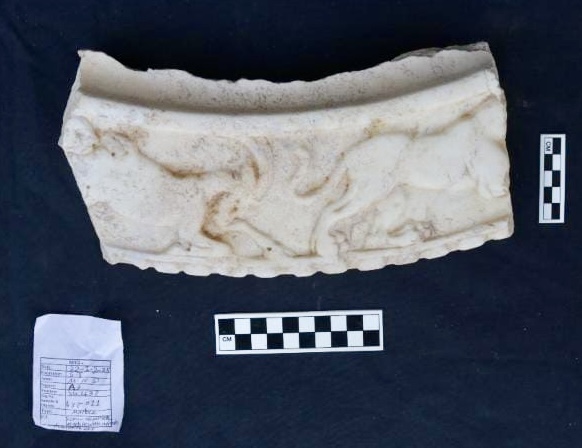
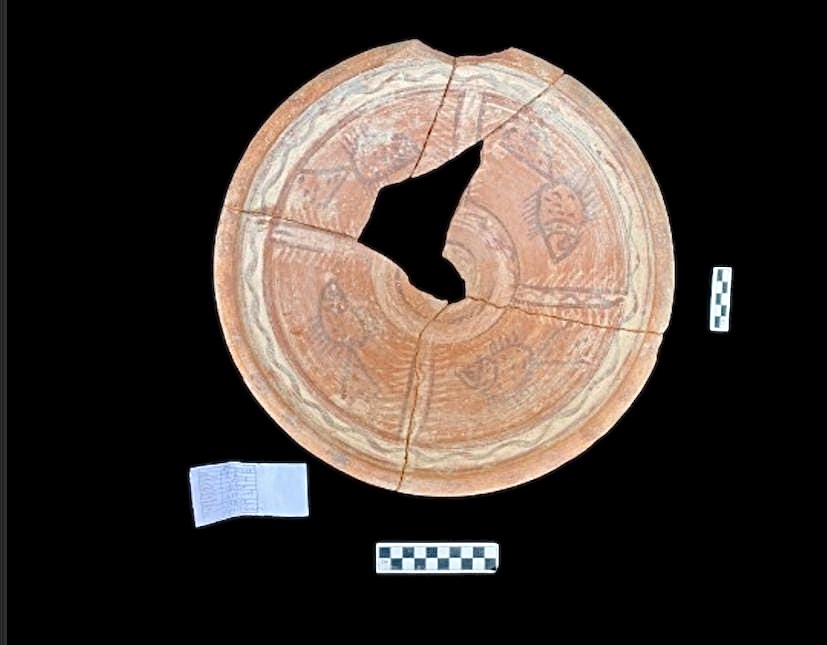
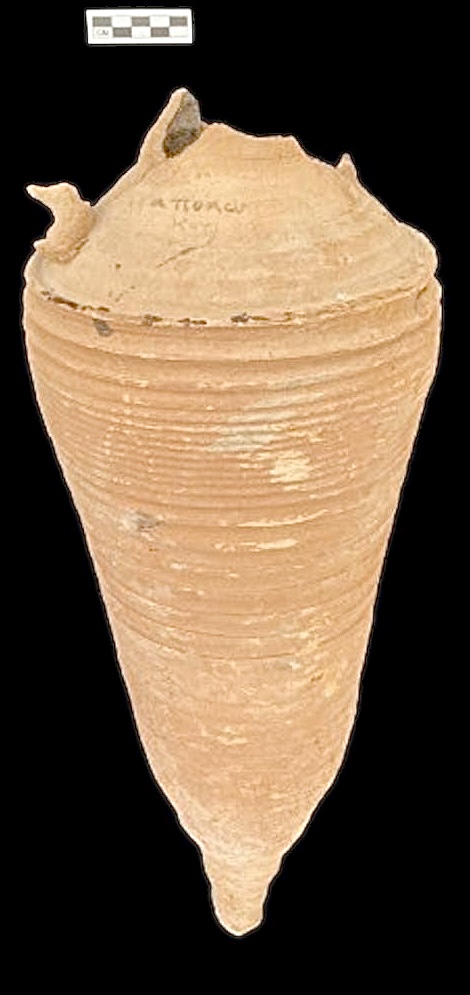
Among the standout discoveries is a Coptic inscribed tombstone bearing the name and death date of a venerated saint, as well as a range of amphorae of various sizes inscribed with Coptic letters. A finely carved stone frieze was also recovered, bearing zoomorphic motifs, including fragments representing a gazelle and a lion. Additionally, the team uncovered several multipurpose ceramic vessels, all of which contribute to understanding the function and chronology of the site.
Mr. Mahmoud Mohamed, Director of Islamic, Coptic, and Jewish Antiquities for East Assiut, emphasized that excavation work is still ongoing. The mission is currently focused on detailed documentation and analysis of the murals in order to better understand the building’s historical and religious context, as well as its architectural and artistic significance within Coptic monastic traditions.


The Monqabad archaeological zone, where the structure was discovered, is situated in the village of Monqabad, affiliated with Assiut governorate. Located approximately 12 kilometers northwest of Assiut city and 22 kilometers from Assiut International Airport, the site occupies a position southwest of the main highway.
The Monqabad site was first identified in 1965, with formal excavation efforts beginning in 1976. Archaeological seasons continued intermittently until 2010. The current campaign was conducted by an all-Egyptian team marks the latest chapter in fieldwork, resuming in the 2024 season.
This discovery not only sheds light on the architectural and artistic legacy of Coptic Egypt but also contributes to the broader understanding of monastic life in the region during the early Christian centuries. The site continues to promise further revelations as fieldwork and interdisciplinary analysis progress.
#Archaeology #Assiut #Coptic #Egypt #byzantine


