
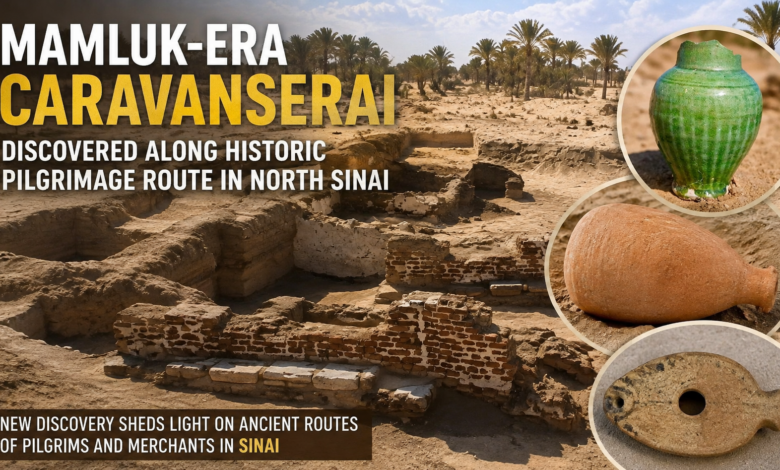
An Egyptian archaeological mission has uncovered the remains of an ancient building at the lost city of Asila in North Sinai, believed to have been a roadside caravanserai that served merchants, travellers and Egyptian pilgrims journeying along the historic Darb al-Sultani, also known as the Egyptian Pilgrimage Route.
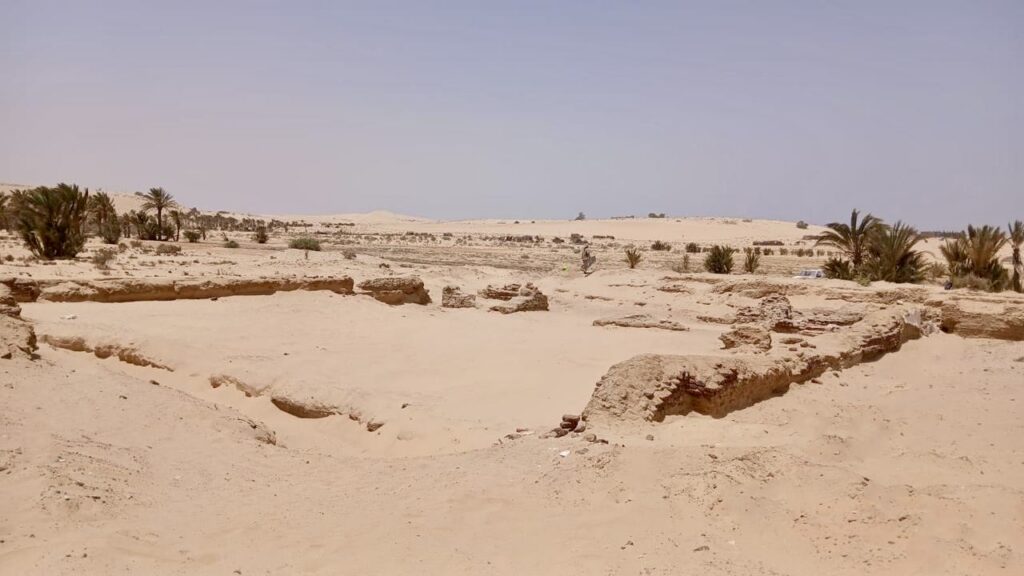
The discovery was made by a mission from Egypt’s Supreme Council of Antiquities working in the Islamic and Coptic Antiquities area of North Sinai. According to the Ministry of Tourism and Antiquities, the structure formed part of the network of facilities that once supported movement between Egypt, the Arabian Peninsula and the Levant.
Sherif Fathy, Minister of Tourism and Antiquities, described the discovery as an important addition to a series of archaeological finds helping to reassess the history of Sinai and shed further light on the civilisations and communities that flourished there.
He noted that the site had remained buried beneath the sand for centuries before excavations began last year, gradually revealing its architectural features and bringing its history back to light.
Fathy said the discovery at Asila provides a new window into the historical road network that connected Egypt with the eastern Arab world and supported the movement of pilgrims, merchants, armies and postal services. He added that the ministry continues to prioritise excavation, documentation and conservation work in Sinai to preserve its heritage and highlight its historical and cultural significance.
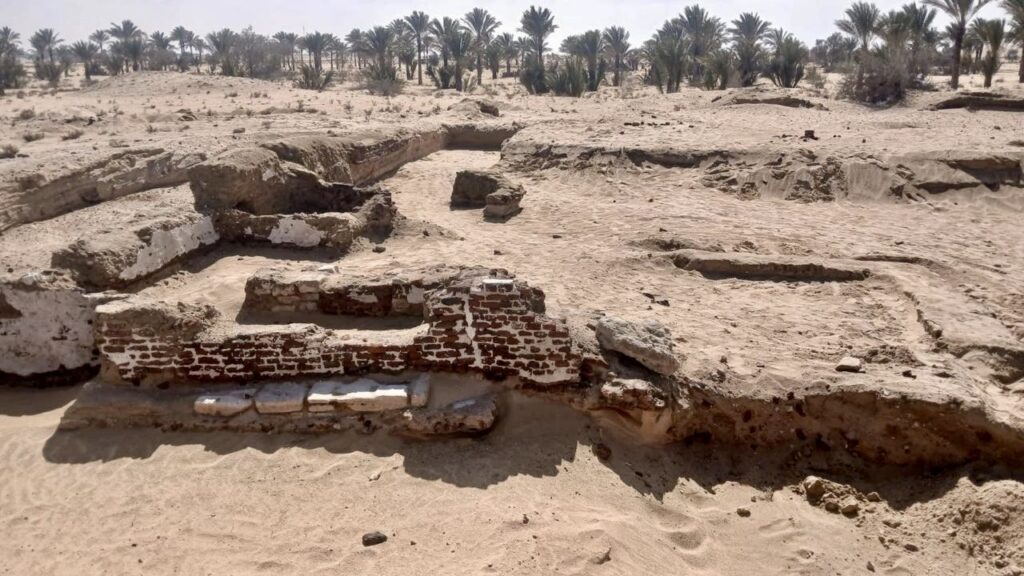
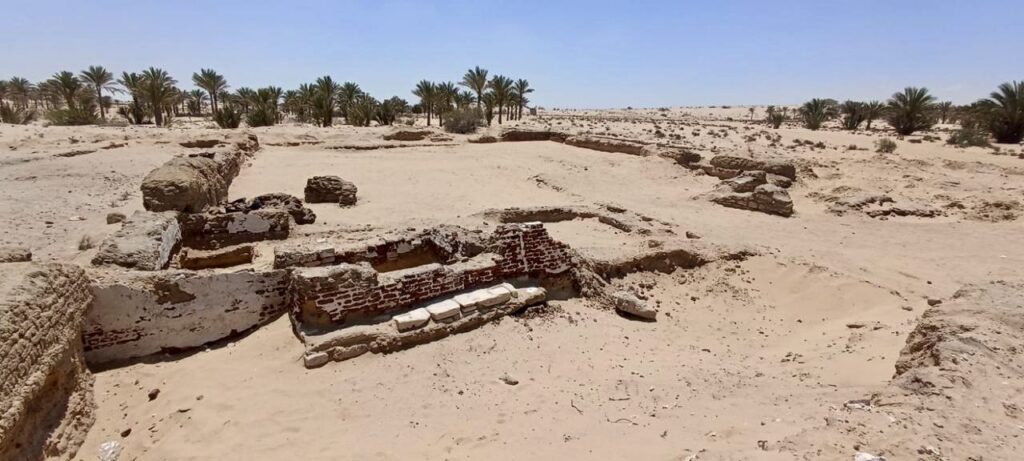
Hisham El-Leithy, Secretary-General of the Supreme Council of Antiquities, said excavations revealed the remains of walls constructed from mudbrick and fired brick, with foundations reinforced using large limestone blocks. According to El-Leithy, this architectural technique was commonly employed in the construction and reinforcement of major structures during the Islamic periods.


The surviving walls extend along the northern, eastern and southern sides of the site and contain internal architectural divisions indicating the presence of several rooms. Some may have functioned as shops associated with the caravanserai.
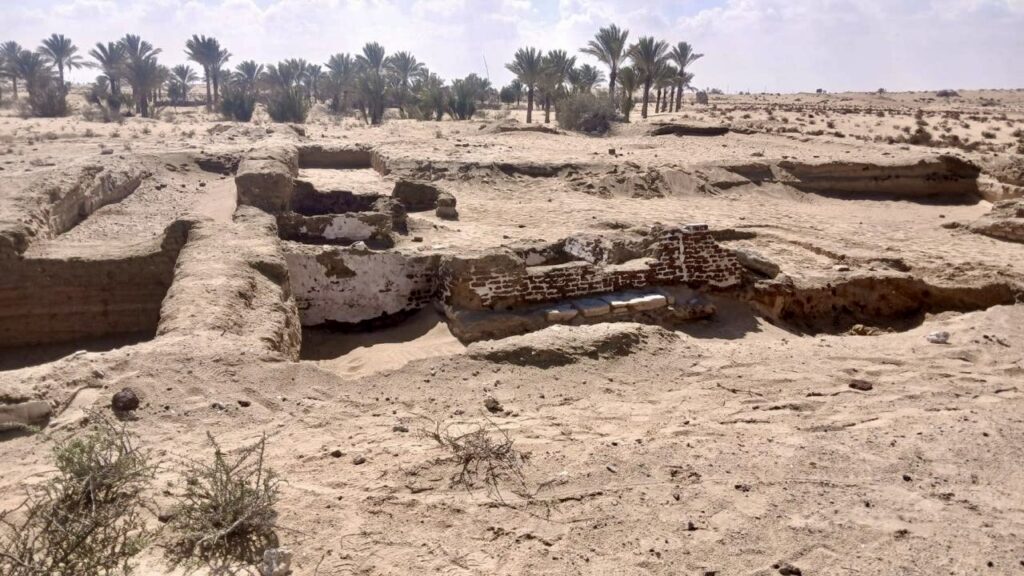
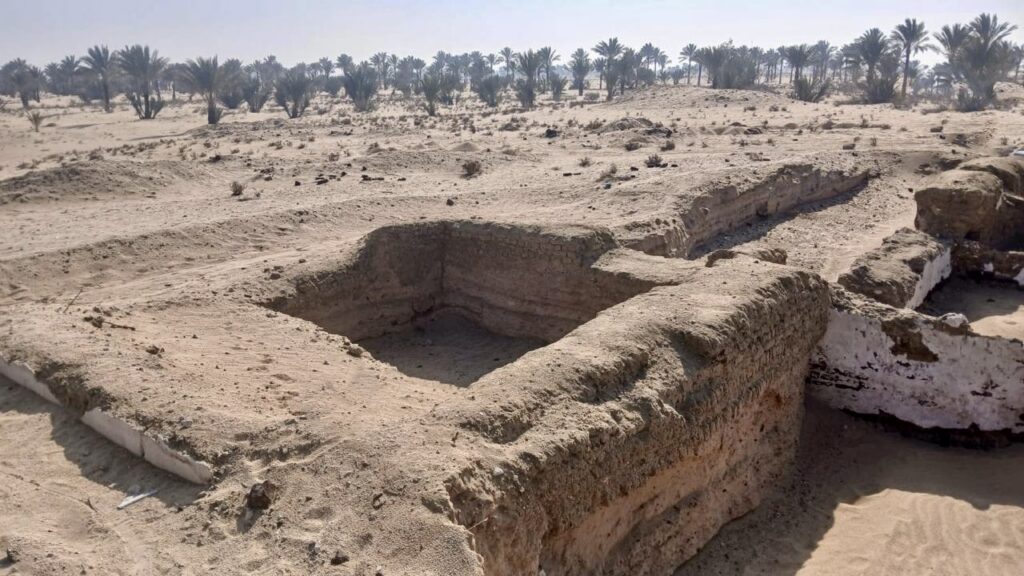
El-Leithy said the site’s overall plan closely resembles that of Khan al-Khuwaynat, an important historic commercial station in North Sinai, although the Asila structure is smaller. The similarities support the interpretation of the building as a stopping point for pilgrims and merchants travelling along Darb al-Sultani.
Diaa Zahran, Head of the Islamic and Coptic Antiquities Sector, said the excavations also uncovered a collection of archaeological finds reflecting everyday life at the site.
These include quantities of large pottery vessels used to store water and provisions, vessels with olive-green glaze, other examples decorated in red and white, and fragments of oil lamps used for lighting.
Zahran added that Asila’s proximity to other historical stations, including al-Khuwaynat, Ammuriya and Qatiya, places it within a wider network of stations and facilities associated with trade, pilgrimage and travel across Sinai. This gives the site particular importance for understanding the region’s historical role as a commercial and cultural bridge between Egypt and the eastern Mediterranean and Arab world.
Mission directors Mohamed Khalil and Saddam Hussein said the discovery contributes to understanding the infrastructure that supported trade, pilgrimage and military movements during the Islamic periods. It may also help researchers reconstruct the network of strategic stations established along Sinai’s routes to serve travellers and caravans.
The archaeological material uncovered so far suggests that the site dates to the Mamluk period.
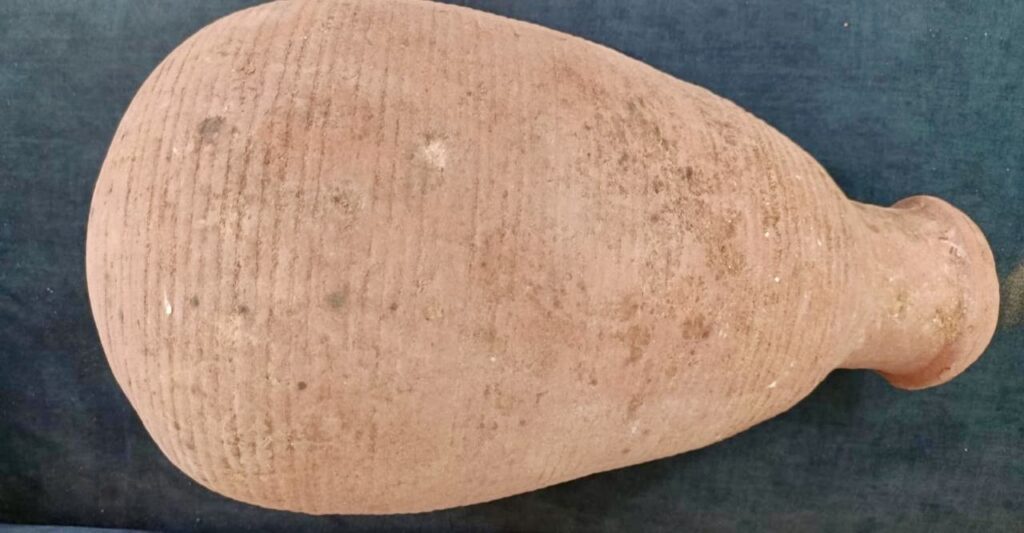
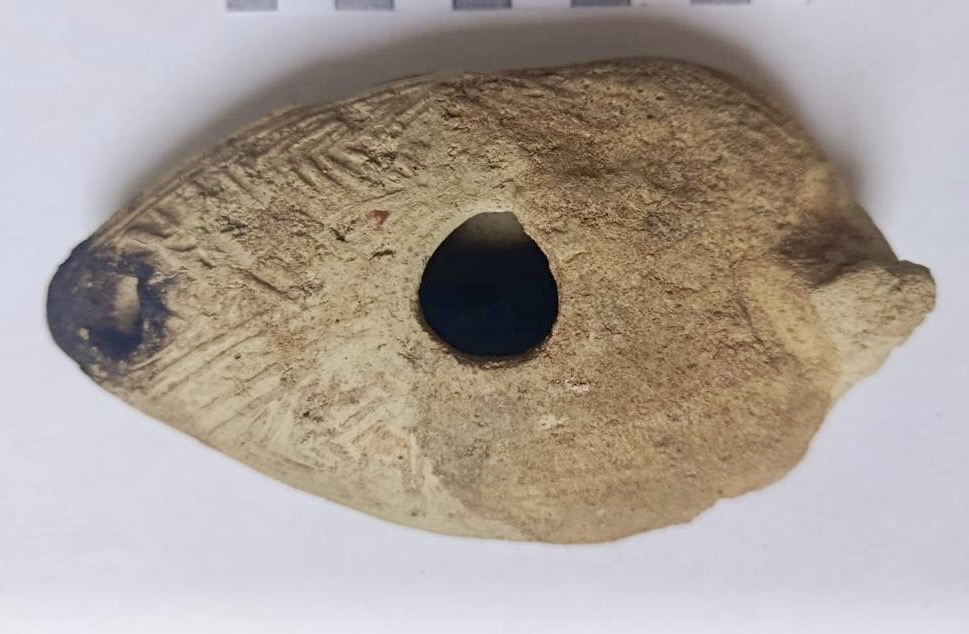
Among the finds are vessels with an olive-green glaze characteristic of the period, as well as fragments of glazed pottery bearing decorative elements that may be attributed to the reign of Sultan al-Nasir Muhammad ibn Qalawun during the Bahri Mamluk period.
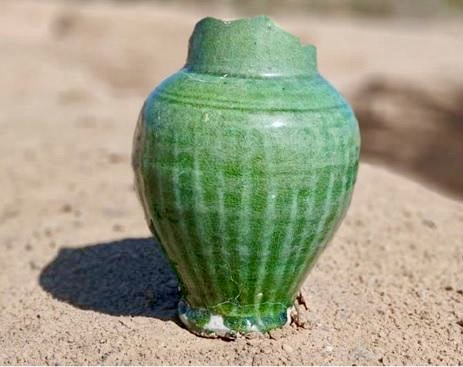
Some artefacts also bear Arabic letters that may have formed part of the word “al-Nasir” Further archaeological study and analysis will be required before a more precise date can be established and the functions of the site’s individual structures can be determined.
The archaeological mission is continuing its excavations to reveal further architectural details of the building and its associated structures. Documentation, study and conservation work are also continuing, with further evidence potentially helping to confirm the building’s identification as a caravanserai.
Darb al-Sultani, also known as the Egyptian Pilgrimage Route, was one of the major historical routes used by Egyptian pilgrims traveling towards Mecca. It also served commercial caravans, postal communications and travellers moving between Egypt, the Levant and the Arabian Peninsula.
According to historical studies, the route remained in use for centuries before political and military developments in the region, particularly the Crusader threat in the East during the 11th century, contributed to its abandonment and the diversion of Egyptian pilgrimage traffic to the southern route via Aydhab and Jeddah.