
Egyptian-French Mission Uncovers Mamluk Mosque and Hydraulic System Near Salah al-Din Citadel
An Egyptian-French archaeological mission has uncovered a remarkably preserved Mamluk-era water supply system and the remains of a Mamluk mosque in two historic districts surrounding the Citadel of Salah al-Din in Cairo, shedding new light on the infrastructure that supported one of medieval Egypt’s most important centers of power.
The mission, a joint project between the Supreme Council of Antiquities and the French Institute for Oriental Archaeology (IFAO), made the discoveries in the Arab al-Yasar and al-Hattaba districts as part of a broader scientific program aimed at studying, documenting, and rehabilitating the historic areas surrounding the citadel.
Sherif Fathy, Minister of Tourism and Antiquities, described the discoveries as a significant contribution to understanding the urban and functional development of the citadel’s surroundings throughout the Islamic period.
He noted that the finds highlight the strategic and administrative importance of the Citadel of Salah al-Din, which served as the political and governmental heart of Egypt for centuries. The discoveries, he added, form part of ongoing efforts to preserve Egypt’s cultural heritage and enhance appreciation of Historic Cairo’s rich past while supporting plans to integrate archaeological sites into Cairo’s cultural tourism routes.
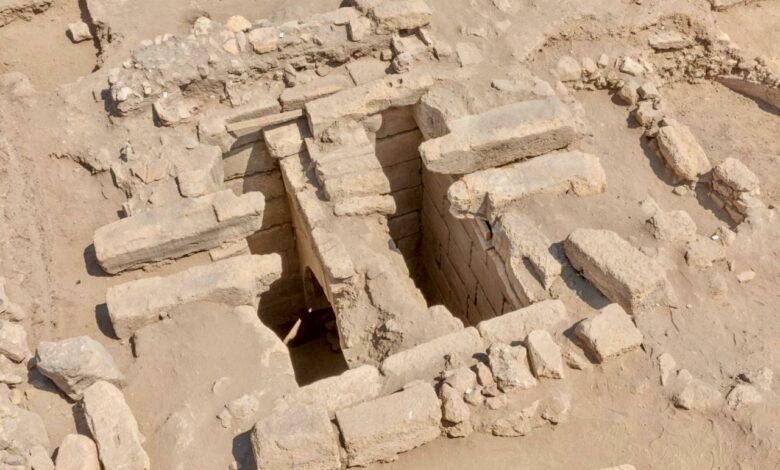
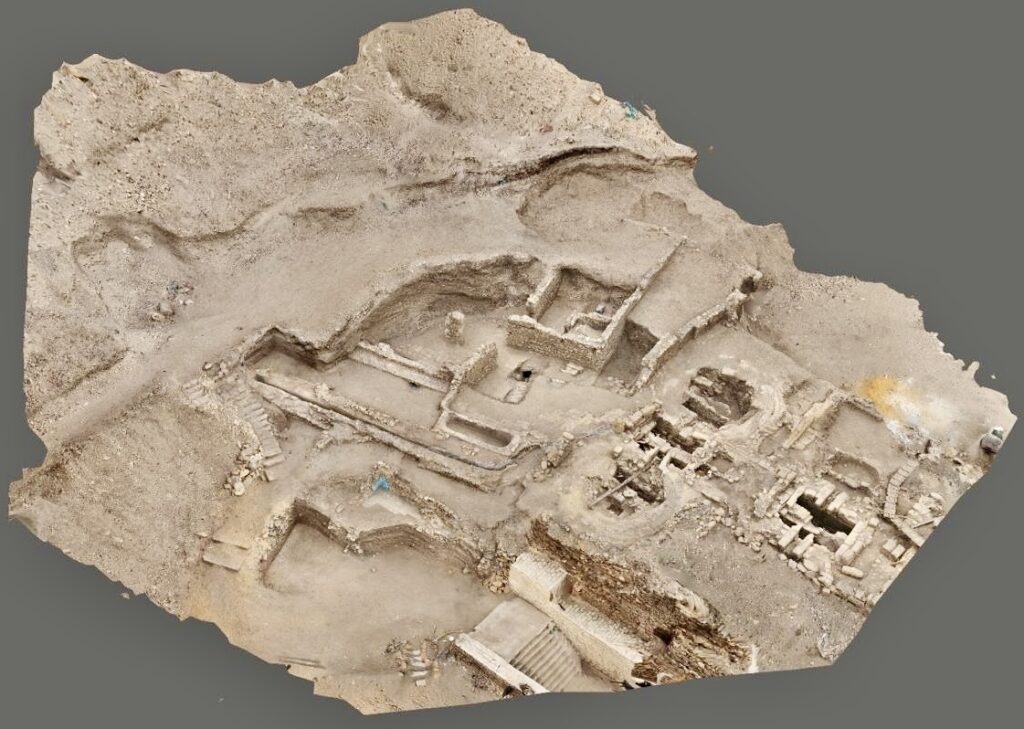
According to Mohamed Ismail Khaled, Secretary-General of the Supreme Council of Antiquities, excavations in Arab al-Yasar revealed a complete Mamluk-era hydraulic system that once played a vital role in supplying water to the citadel.
Archaeologists uncovered two massive wells used for water storage and lifting, each connected to a sophisticated network of waterwheels that raised water from lower levels to higher elevations. The first well reaches a depth of approximately ten meters, while the second extends to around eight meters. Excavations are still underway to reach the lower storage reservoirs associated with the system.


The wells were constructed using large stone blocks and were topped by the remains of a complex water-lifting installation consisting of four rotating waterwheels and an extensive network of stone channels that carried water into the citadel. The newly discovered system appears to represent a direct extension of the famous Aqueduct of Cairo, known as the Sur Magra al-Oyoun.
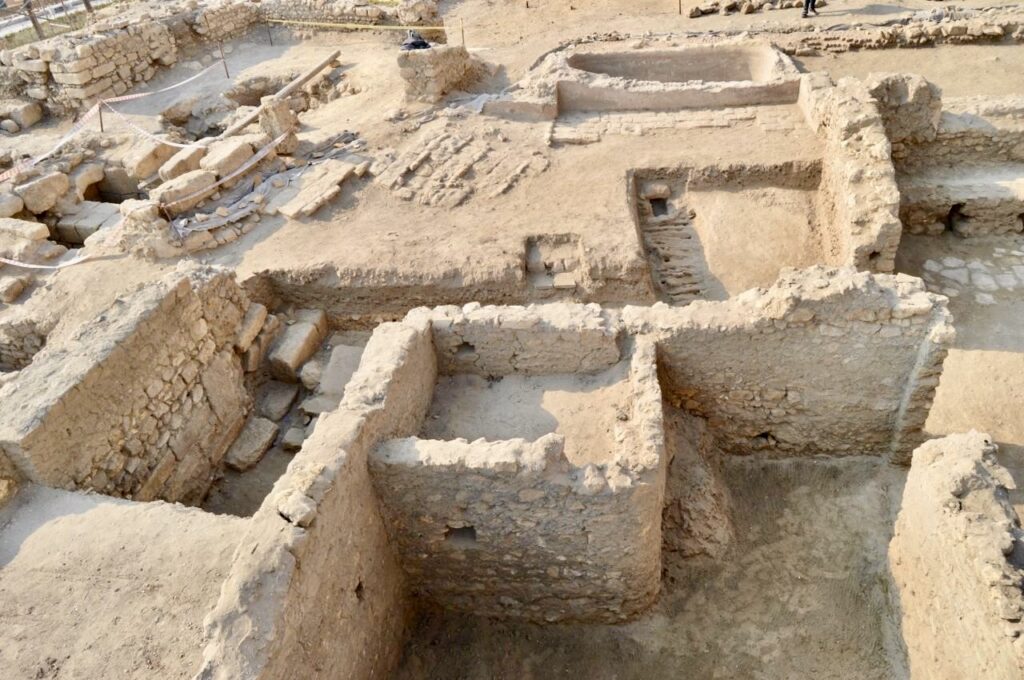
The mission also uncovered a range of architectural and service facilities linked to the operation of the water system, including animal tracks used to power the waterwheels, stables, fodder storage areas, watering basins, and a variety of stone-paved surfaces. Together, these features illustrate the advanced level of engineering and resource management achieved during the Mamluk period.
Khaled emphasized that the discoveries are particularly important because they reveal, for the first time, the final section of the hydraulic network connected to the Aqueduct of Cairo. This portion of the system has never been described in known historical sources, opening new avenues for research into one of medieval Cairo’s most ambitious engineering projects.
Meanwhile, excavations in the al-Hattaba district uncovered the remains of a Mamluk-era mosque, including the qibla iwan, the mihrab, sections of the southwestern riwaq, and portions of the original stone flooring.
Archaeologists also discovered a burial chamber associated with the mosque, along with a group of graves dating to different Islamic periods that contained human remains. Another tomb is believed to date to the early Islamic period, providing valuable evidence for understanding the site’s long and complex occupational history.
In addition to excavation work, the mission carried out extensive digital documentation using advanced recording technologies. The team produced detailed three-dimensional models of several monuments, including the Nizamiyya Khanqah, where newly identified architectural remains were documented alongside a number of Mamluk and Ottoman-period burials located within its boundaries.
Among the recovered artifacts were ceramic waterwheel buckets used in water-lifting operations, Mamluk and Ottoman coins, and a variety of objects linked to daily life during the eighteenth and nineteenth centuries. These include jewelry, metal seals, coins, and fragments of weapons.
Pierre Tallet, Director of the French Institute for Oriental Archaeology, described the project as a leading example of international scientific cooperation in the study of Islamic archaeology.
He noted that archaeological work in Historic Cairo continues to reveal previously unknown aspects of the city’s rich urban history and reflects the institute’s long-standing commitment to specialized research on Cairo’s Islamic heritage.
Tallet added that the discoveries provide some of the strongest archaeological evidence to date for the development of infrastructure and water-management systems in historic Cairo, demonstrating the high level of urban planning and engineering achieved during the Islamic period.
Abbas Zawash, Director of Studies at IFAO, explained that the project extends beyond excavation work and includes a field training school designed to provide inspectors from the Supreme Council of Antiquities with practical instruction in modern archaeological documentation, recording, photography, and excavation techniques.
The program aims to strengthen professional capacity and promote sustainable archaeological practice in accordance with international scientific standards.
Mohamed Ibrahim, Assistant Professor of Islamic Archaeology at Ain Shams University and director of the mission, described the discovery as one of the most important finds associated with the Aqueduct of Cairo.
For the first time, excavations have revealed the wells, waterwheels, and channels that formed the final stage of the water-transfer system supplying the citadel, features that are absent from historical records.
Preliminary archaeological and architectural studies suggest that some of these installations may date to the reign of Sultan al-Nasir Muhammad ibn Qalawun. The current excavation season also revealed a previously unknown water channel extending westward toward the royal stables, a discovery that may lead to the re-dating of several important structures around the citadel.
Simon Connor, scientific member of IFAO and co-director of the French mission, said the team is conducting architectural documentation and photogrammetric recording to the highest standards while digitizing all archaeological discoveries and creating an integrated database combining excavation results with historical information related to the Citadel of Salah al-Din and its surroundings.
The project is being carried out through cooperation between the Ministry of Tourism and Antiquities and the French Institute for Oriental Archaeology, with the participation of Egyptian and French archaeologists and specialists.
The discoveries underscore the fact that Historic Cairo continues to preserve countless archaeological secrets that can deepen our understanding of the city’s urban and cultural development while supporting ongoing efforts to protect one of the world’s most important historic landscapes.