

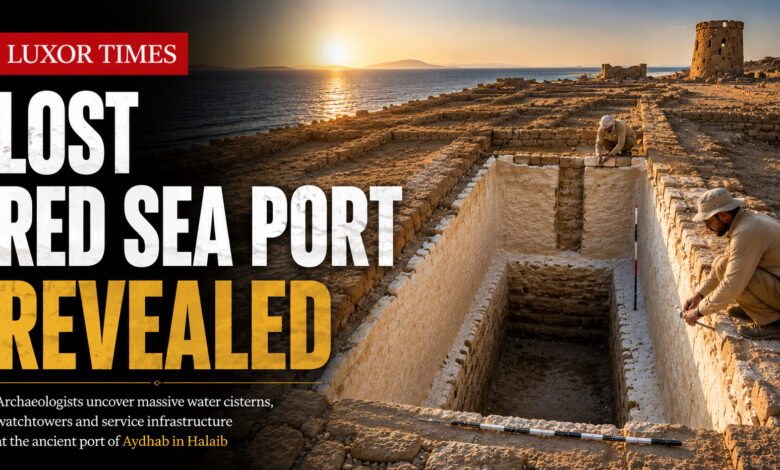
An Egyptian archaeological mission from the Supreme Council of Antiquities has uncovered a group of large water storage cisterns, along with several service buildings and facilities, at the archaeological site of Aydhab Port in the Halaib region on Egypt’s Red Sea coast.
The discovery sheds new light on the infrastructure of Aydhab, one of Egypt’s most important ports during the Islamic period.
Sherif Fathy, Minister of Tourism and Antiquities, said the discovery highlights the advanced infrastructure that characterized ancient Egyptian ports and demonstrates their ability to support both commercial activity and pilgrimage routes.
“This discovery contributes to showcasing the development witnessed by Egypt’s ancient ports and the advanced infrastructure they possessed to serve trade and pilgrims, reaffirming Egypt’s strategic position as a major cultural and commercial center throughout history,” he said.
Fathy added that the find also reflects the ministry’s commitment to archaeological excavations and research in border and remote regions because of their significant historical and cultural importance.
Dr. Hisham El-Leithy, Secretary-General of the Supreme Council of Antiquities, explained that the discovery reveals an important aspect of the service facilities upon which the historic port of Aydhab depended.


He noted that water cisterns were a fundamental component in supporting maritime and commercial activities, while also providing essential supplies for pilgrims arriving at the port on their journey to the Holy Lands.
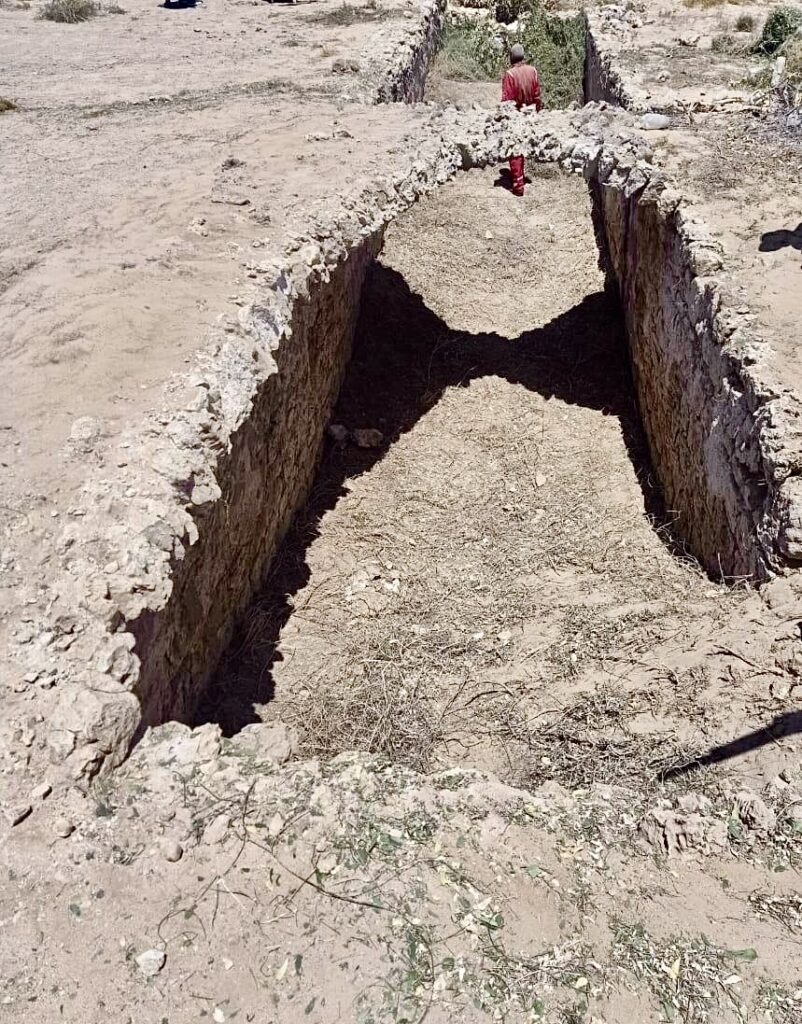
Dr. Diaa Zahran, Head of the Islamic, Coptic, and Jewish Antiquities Sector, said excavations led by Mohamed Abou El-Wafa uncovered a massive main cistern measuring approximately 15.10 meters in length, 3.15 meters in width, and nearly 3 meters in height.
The structure was built using sandstone and locally available coral stones before being coated with a layer of white lime mortar designed to insulate the water and prevent leakage.
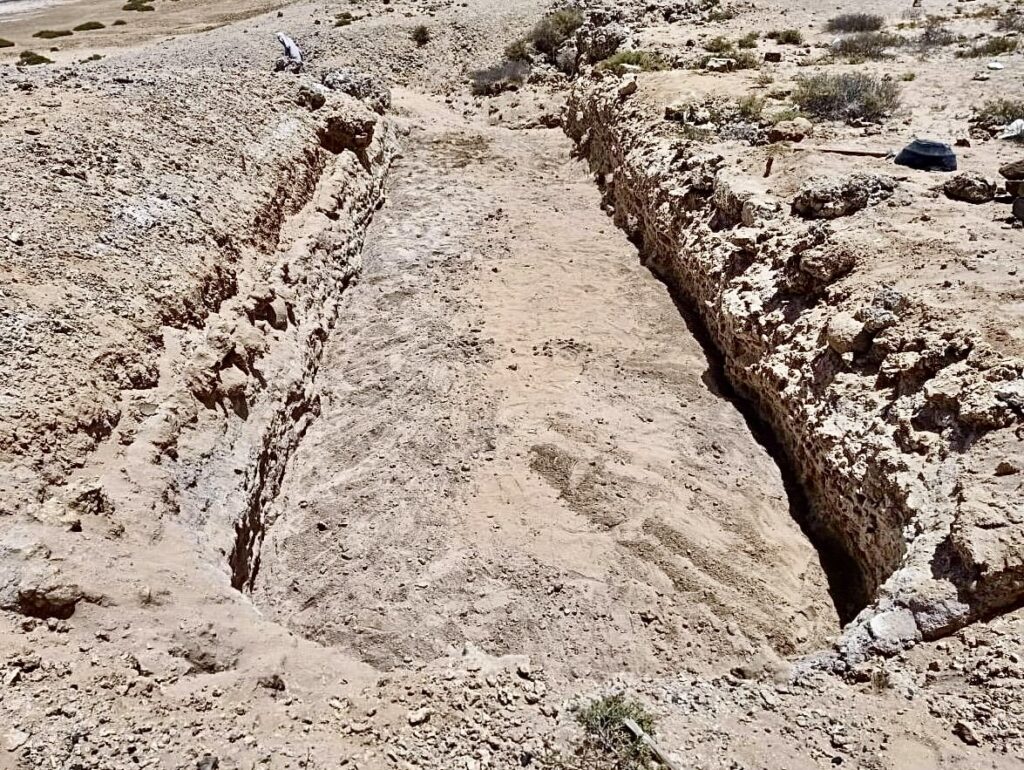
Archaeologists also uncovered several additional cisterns on the southern side of the site.
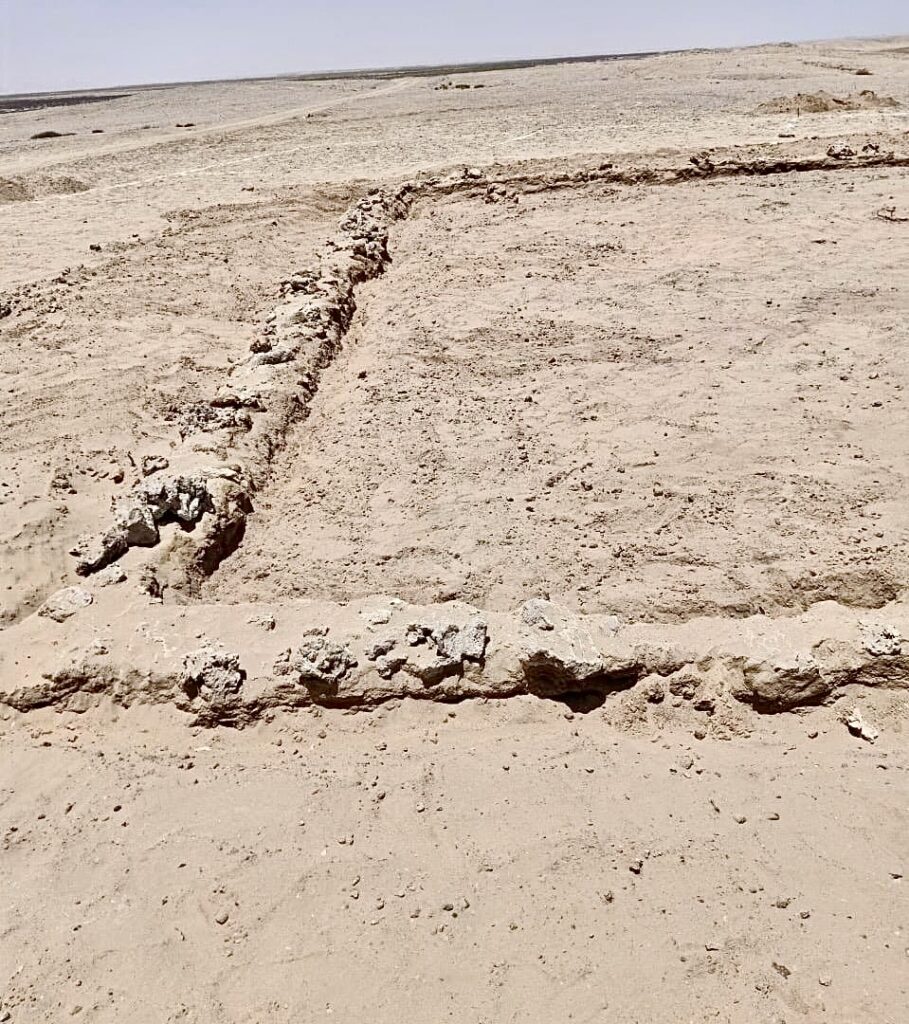
Survey work carried out in the surrounding area revealed the remains of residential building foundations, watchtowers, and service facilities, indicating the existence of an integrated system for managing the port and meeting the needs of pilgrims and merchants who passed through Aydhab over many centuries.
The discovery is particularly significant because it provides rare archaeological evidence for the infrastructure that sustained long-distance trade and pilgrimage across the Red Sea during the medieval period. Together, the water cisterns, residential structures, watchtowers, and service installations offer a more complete picture of how Aydhab functioned as a major maritime hub, supplying travelers with water, security, accommodation, and logistical support while connecting Egypt with commercial networks extending across the Red Sea and the Indian Ocean.
The mission also recovered a number of significant artifacts, including pottery fragments dating to the Fatimid period, some of which were coated with green glaze, as well as fragments of imported Chinese porcelain.
According to Dr. Zahran, these finds reflect the prosperity of commercial activity at the port and demonstrate the extent of its maritime connections with numerous regions, particularly India, Yemen, and East Africa.
The imported Chinese porcelain is especially noteworthy, as it provides tangible evidence of Aydhab’s participation in far-reaching international trade networks. Such imported goods are valuable indicators of commercial exchange and help archaeologists trace connections between Egypt and distant markets across Asia and the Indian Ocean world.
Aydhab was one of the most prominent Red Sea ports during the medieval period. It served as a major transit station for pilgrims traveling from Egypt and the Maghreb to the Holy Lands and played a pivotal role in maritime trade across the Red Sea and beyond.