

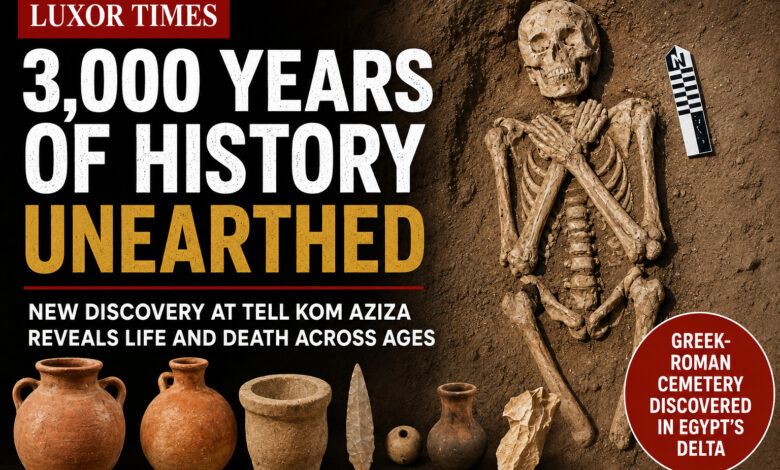
New Discoveries at Tell Kom Aziza Reveal a Rare Archaeological Record of Life and Death Across Ancient Egypt’s History
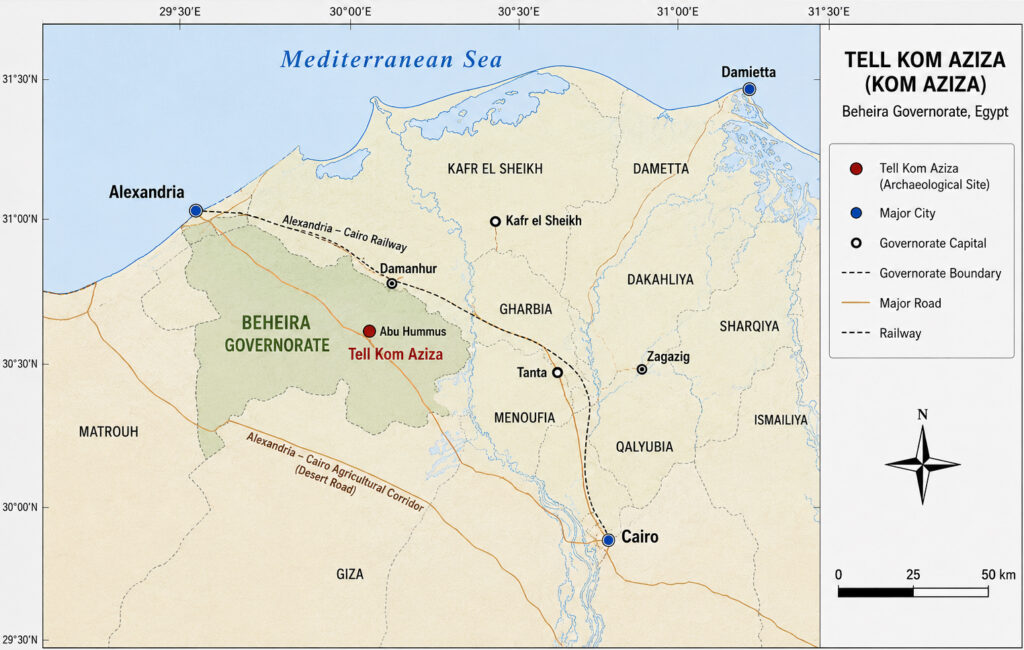
Archaeologists working at Tell Kom Aziza in Egypt’s Beheira Governorate have uncovered part of a Greek-Roman period cemetery, shedding new light on the site’s long and complex history as one of the Nile Delta’s most significant multi-period archaeological settlements.
The discovery was made by the Egyptian archaeological mission of the Supreme Council of Antiquities and provides fresh evidence that the site served not only as a burial ground during the Greek and Roman periods but also as a thriving settlement occupied continuously across several major phases of Egyptian history.
According to Sherif Fathy, Egypt’s Minister of Tourism and Antiquities, the discovery highlights the exceptional importance of Tell Kom Aziza as one of the Delta’s most promising archaeological sites. He noted that the site offers a rare opportunity to trace the development of settlement patterns, daily life, and human interaction with the surrounding environment over thousands of years, enriching our understanding of Egyptian civilization across successive eras.
Diverse Burial Traditions Reflect Changing Funerary Practices
Excavations revealed a remarkable variety of burial types, illustrating the evolution of funerary customs during the Greek-Roman period.
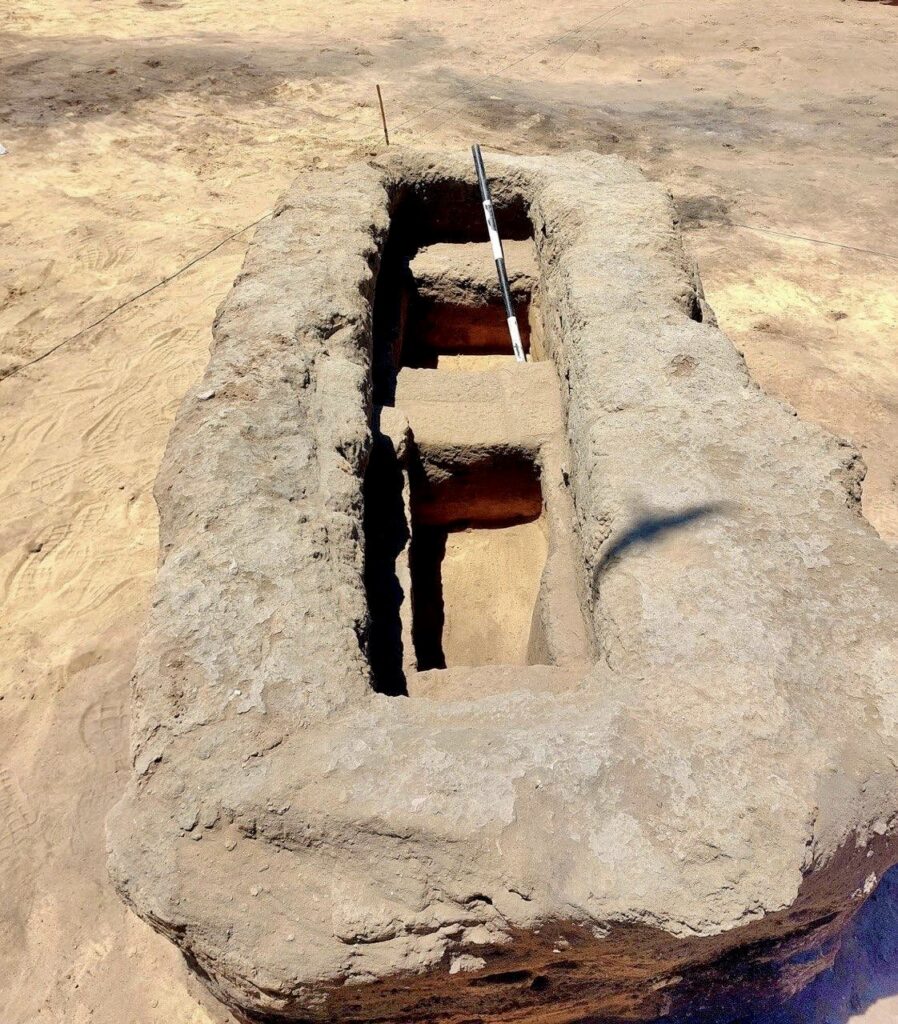
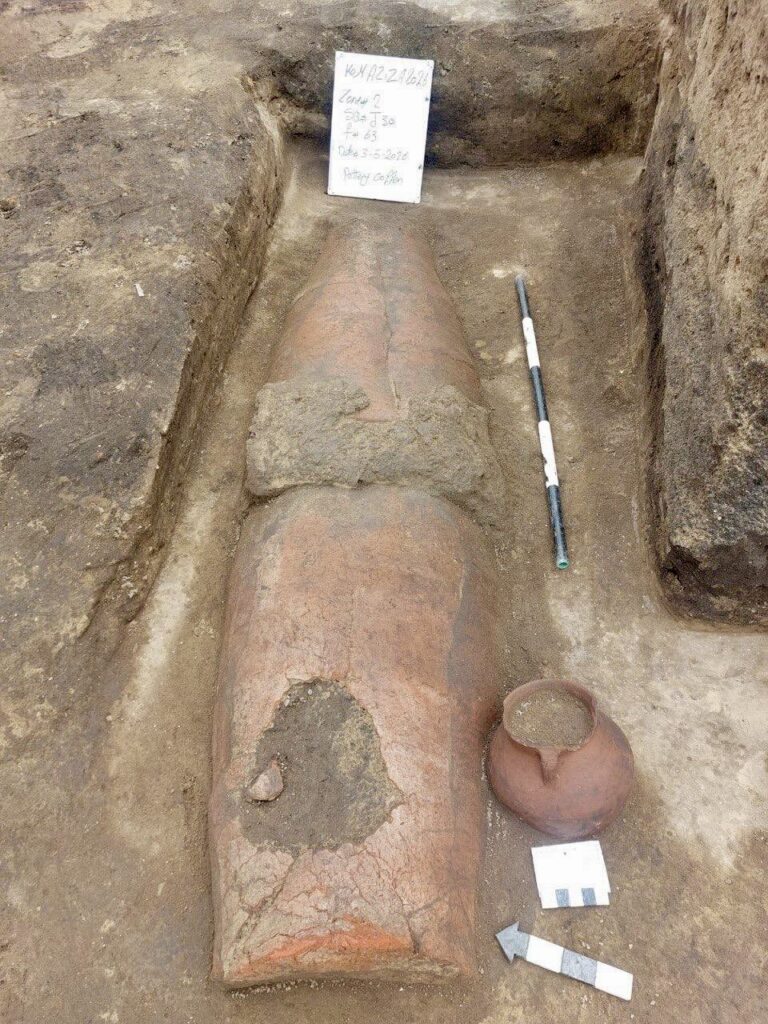
Among the discoveries were simple pit burials in which individuals were interred directly into the ground, mudbrick-lined graves, painted plaster coffins, and barrel-shaped pottery coffins, one of the most common burial forms during the Ptolemaic Period.
Dr. Mohamed Ismail Khaled, Secretary-General of the Supreme Council of Antiquities, explained that preliminary studies of the human remains indicate considerable diversity in burial practices. Both individual and collective burials were documented, with bodies placed along north-south and east-west axes.


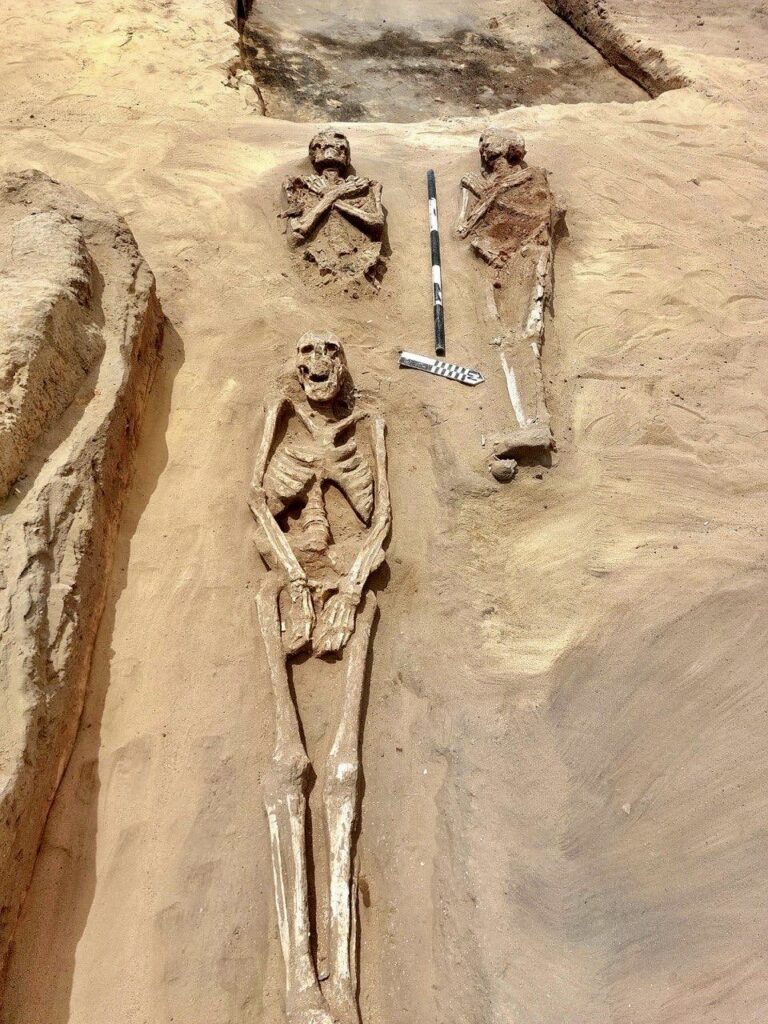
Researchers also identified a range of body positions. Some individuals were buried with arms folded over the pelvis, while others had their hands placed around the neck. Several burials displayed the distinctive Osirian pose, with arms crossed over the chest, while others rested with arms extended alongside the thighs. These variations reflect differing funerary traditions and methods of preparing the deceased for burial.
Cemetery Built Above Much Older Settlements
One of the most important findings emerged from the study of the site’s archaeological layers.
Evidence suggests that the Greek-Roman cemetery was established atop much earlier settlement levels. Artifacts recovered during excavation indicate that Tell Kom Aziza was inhabited continuously from the Old Kingdom, through the New Kingdom and Late Period, before later becoming a major funerary landscape during the Greek and Roman eras.
This sequence transforms Tell Kom Aziza from a simple cemetery site into an archaeological archive documenting thousands of years of human occupation in the western Nile Delta.
Evidence of Daily Life Preserved Beneath the Cemetery
Excavations also uncovered a wide range of artifacts associated with domestic life.
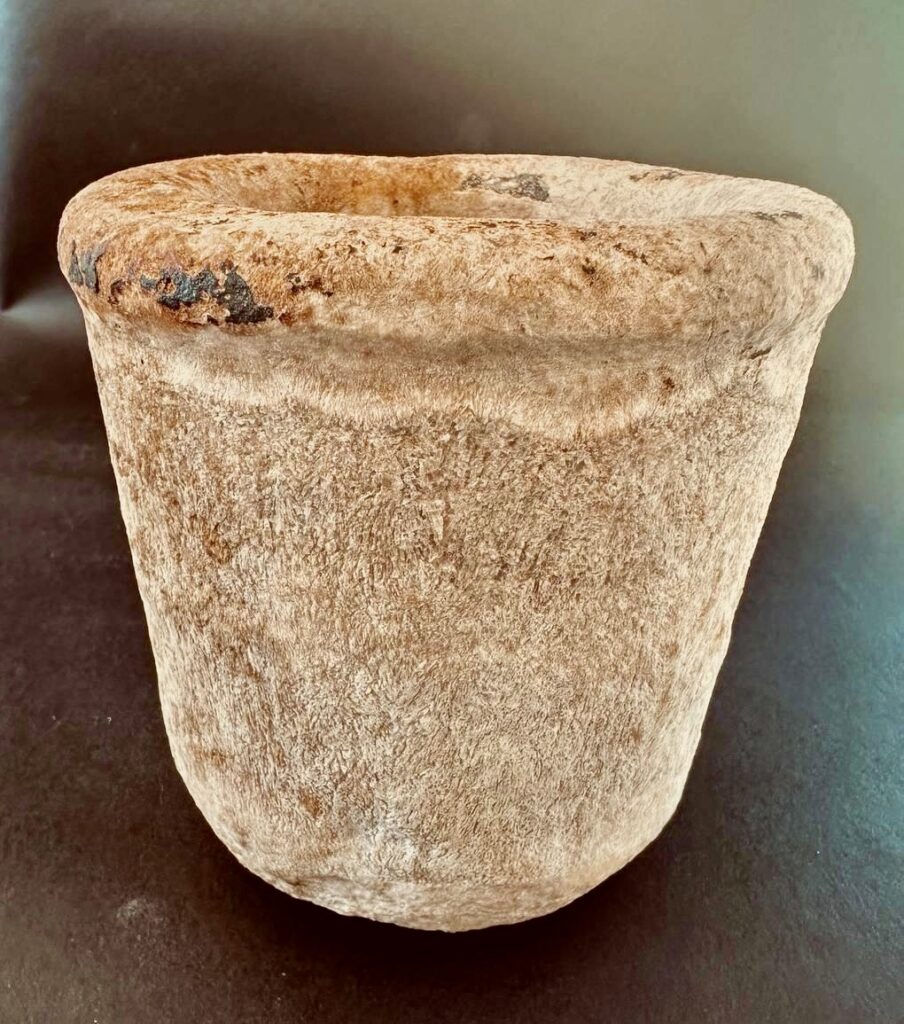
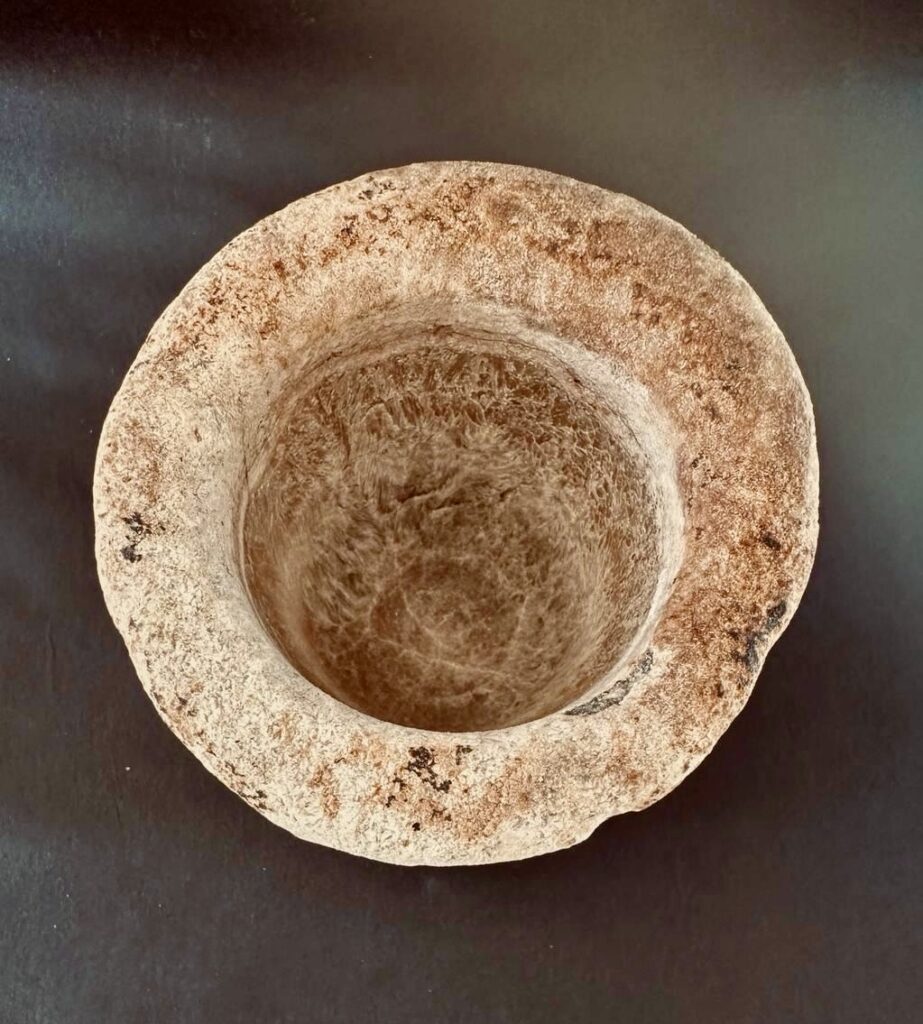
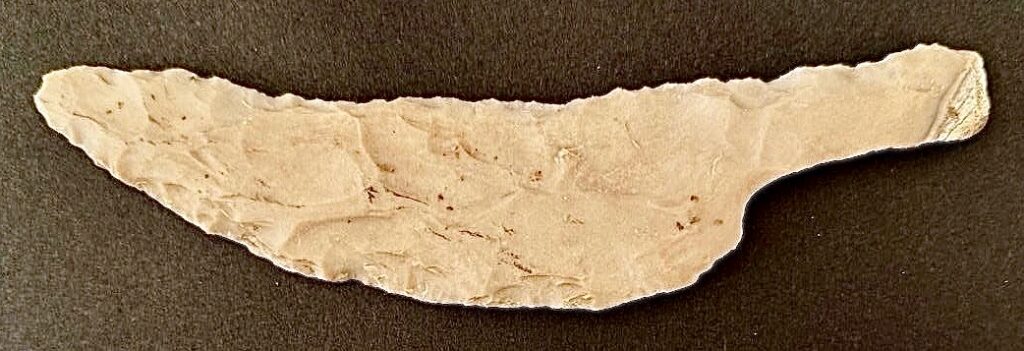
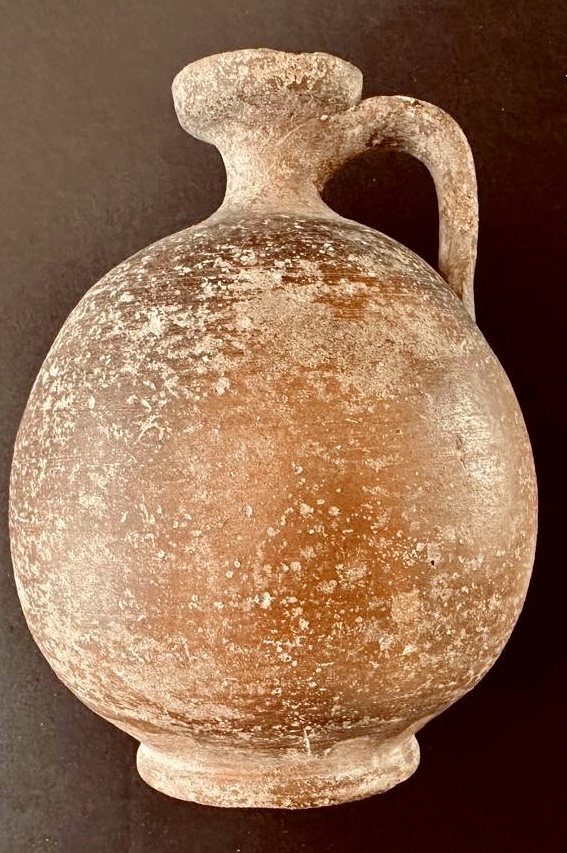
Among the finds were pottery and stone vessels, bread-making molds, stone tools, storage jars, and a number of ovens. Large quantities of fish, bird, and animal bones were also recovered.
According to Mohamed Abdel Badie, Head of the Egyptian Antiquities Sector, these discoveries provide valuable insights into the dietary habits, economic activities, and social practices of the site’s ancient inhabitants across different historical periods.
Rare Wild Boar Burials Raise New Questions
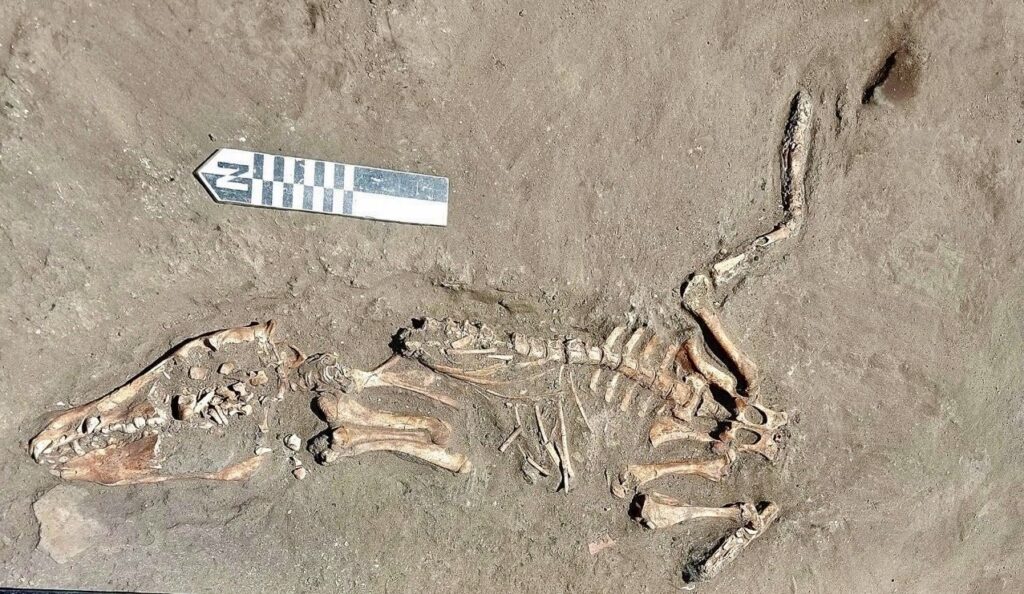
One of the excavation’s most unusual discoveries was the recovery of complete wild boar burials within one of the archaeological layers.
Khaled Abdel Ghani Farahat, Director General of the Beheira Antiquities Region and head of the excavation mission, described the find as particularly rare within the context of ancient Egyptian funerary sites.
In ancient Egyptian belief, pigs were often associated with the god Seth, a complex deity linked to chaos, deserts, and foreign lands. The presence of complete wild boar burials at Tell Kom Aziza may therefore point to a specific economic activity, local tradition, or symbolic practice connected to one phase of the site’s occupation.
Further study will be required before definitive conclusions can be drawn.
A Unique Archaeological Record of Human Activity Through Time
The results of the excavations reinforce the significance of Tell Kom Aziza as an exceptional multi-period archaeological site that witnessed both settlement and funerary activity over the course of Egyptian history.
Rather than representing a single chapter in Egypt’s past, the site preserves evidence for changing patterns of habitation, economic life, food production, ritual behavior, and burial customs across successive civilizations.
Archaeologists believe that Tell Kom Aziza still holds considerable untapped potential. Future excavation seasons are expected to reveal additional evidence that will further illuminate the history of the Nile Delta and the communities that inhabited the region over thousands of years.


