
Egyptian Archaeologists Reveal Rare New Kingdom Tombs and Roman Remains in the Nile Delta
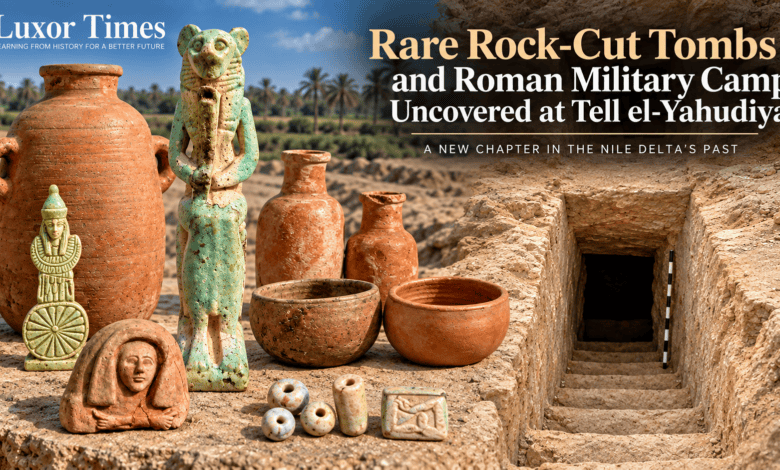
An Egyptian archaeological mission working at Tell el-Yahudiya in Qalyubia Governorate has uncovered a group of rare rock-cut tombs representing different architectural types, alongside further remains of a Roman military camp in the upper archaeological layers of the site.
The discovery provides new evidence for burial practices in the eastern Nile Delta, where rock-cut tombs are relatively uncommon because of the region’s predominantly clay-rich soil.
Dr. Hisham El-Leithy, Secretary-General of the Supreme Council of Antiquities, said the discovery represents an important addition to the archaeological record of Tell el-Yahudiya.
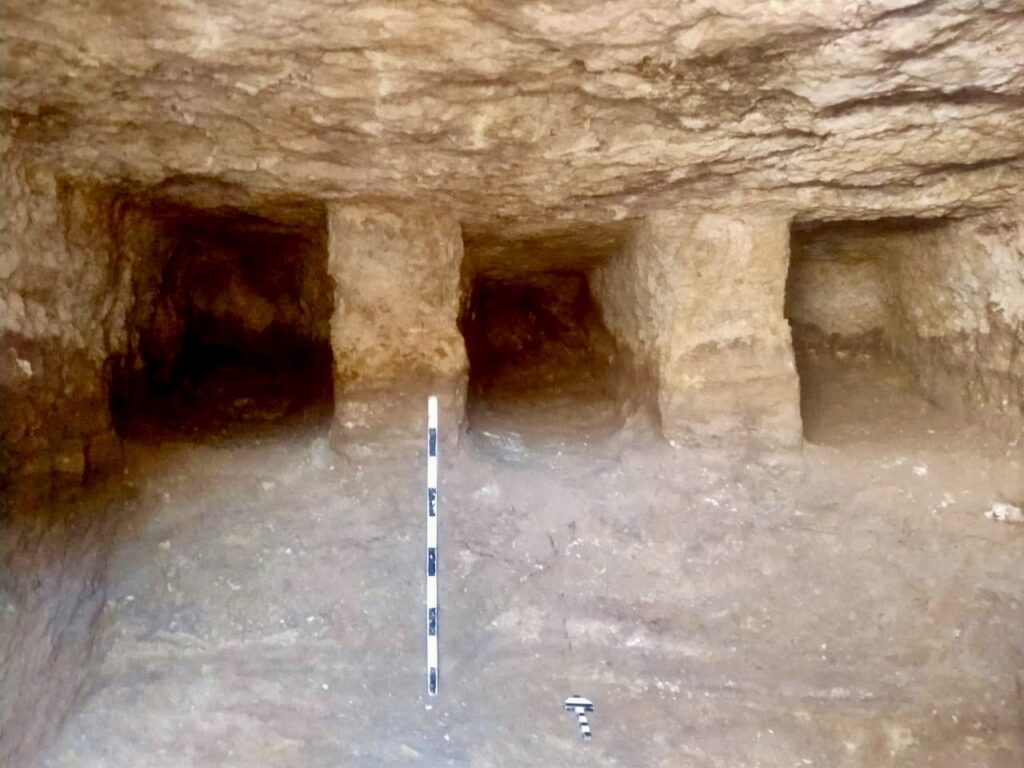
He explained that the significance of the newly discovered tombs lies not only in their different architectural forms, but also in the rarity of this type of burial structure in the Nile Delta.
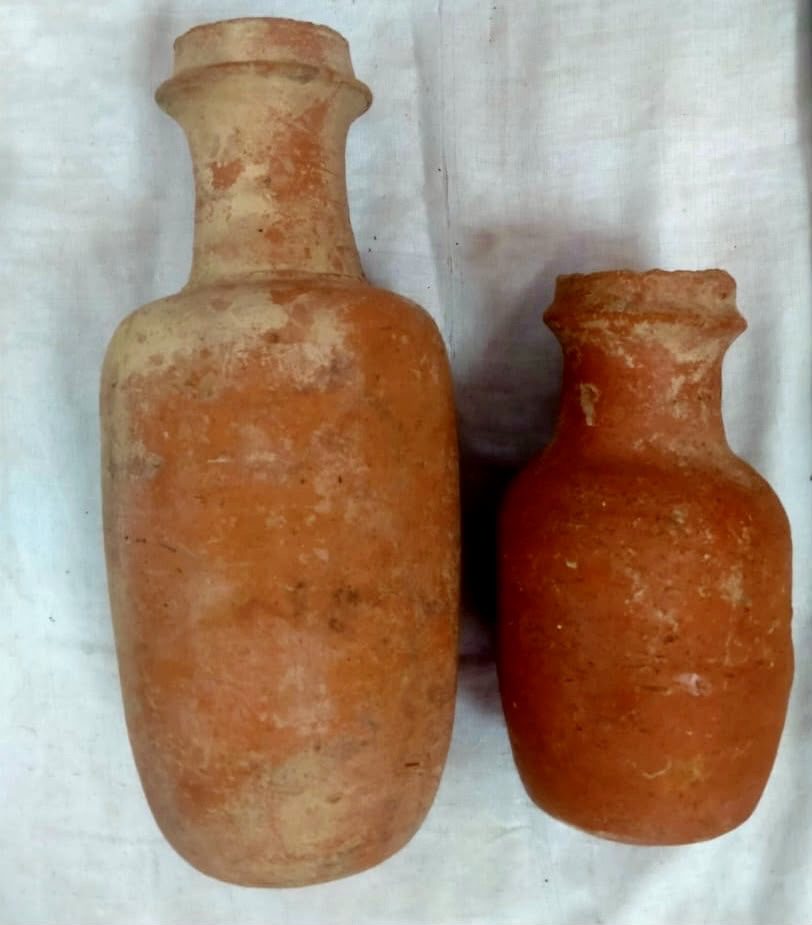
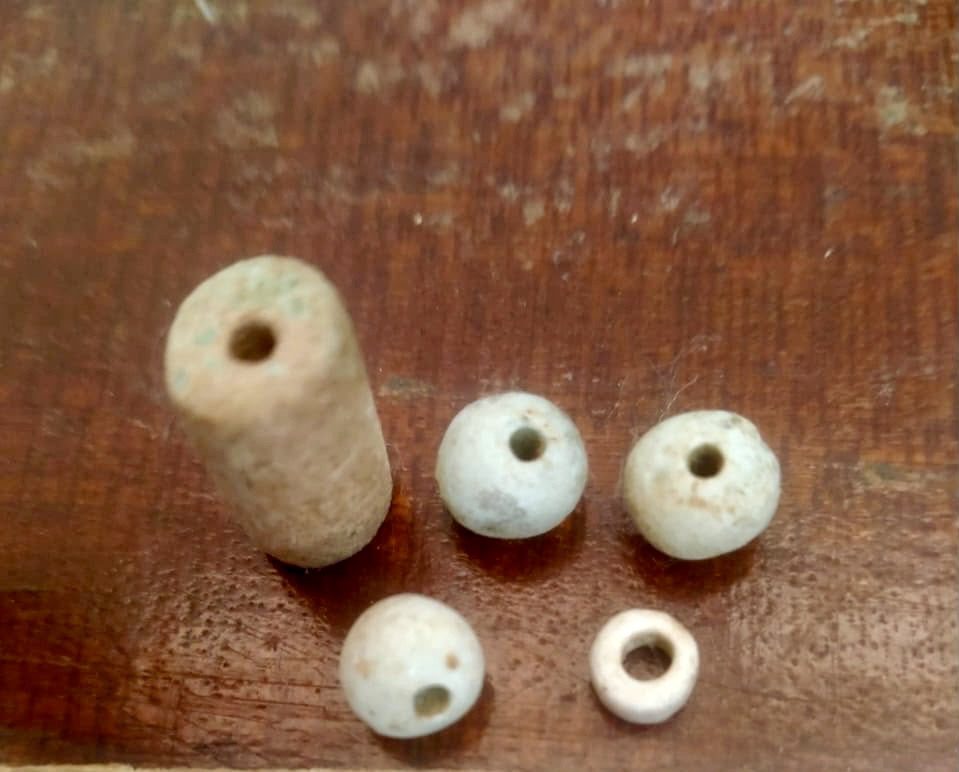
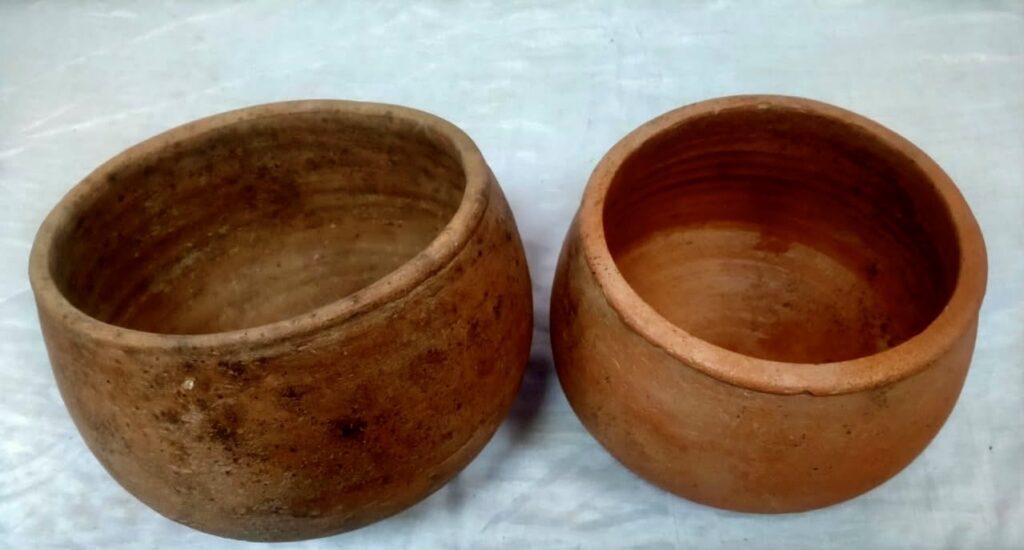
Archaeological evidence and portable finds recovered from the tombs indicate that they date from the late New Kingdom, with their use continuing into the Late Period. This suggests that funerary activity at Tell el-Yahudiya continued across several successive historical periods.
Two Distinctive Tomb Types
According to Dr. Ayman Ashmawy, Advisor to the Secretary-General of the Supreme Council of Antiquities, the newly discovered tombs can be divided into two principal architectural types.


The first type is entered through a staircase leading into a hall containing a series of burial niches cut into its sides.
The second consists of a rectangular shaft providing access to two chambers used for burial.
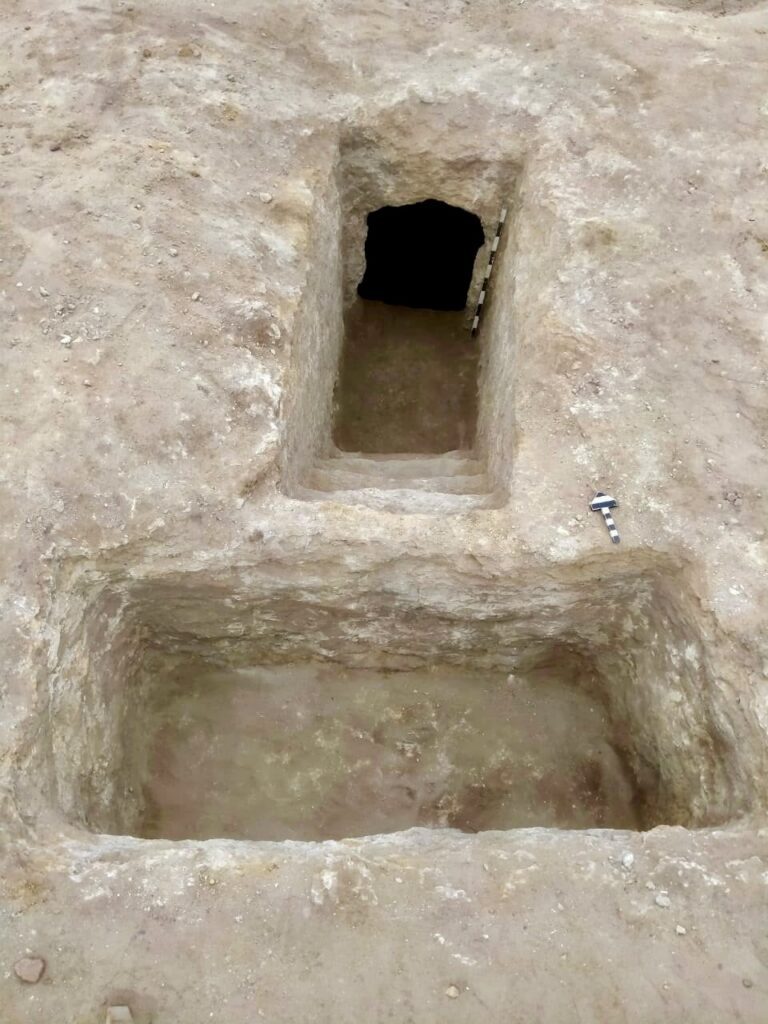
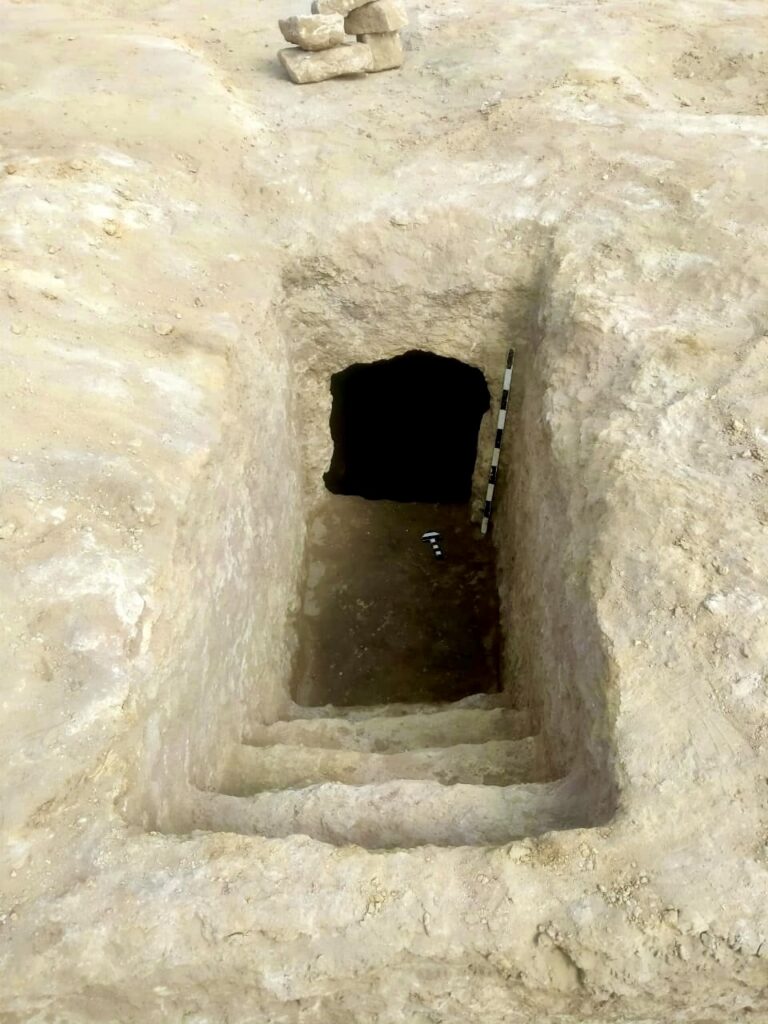
These architectural forms are particularly significant within Qalyubia and the eastern Nile Delta, where rock-cut tombs are relatively uncommon because of the region’s predominantly clay-rich soil.
Such tombs are more commonly known from areas including Alexandria, where examples can be seen at Kom el-Shoqafa, as well as sites along Egypt’s North Coast.
Roman Camp Above the Earlier Tombs
The Egyptian archaeological mission has also continued excavating the remains of a Roman military camp occupying the upper archaeological layers above the earlier rock-cut tombs.
The presence of the Roman remains above the tombs adds another chapter to the long history of Tell el-Yahudiya, demonstrating that the site continued to be used and adapted during different periods.
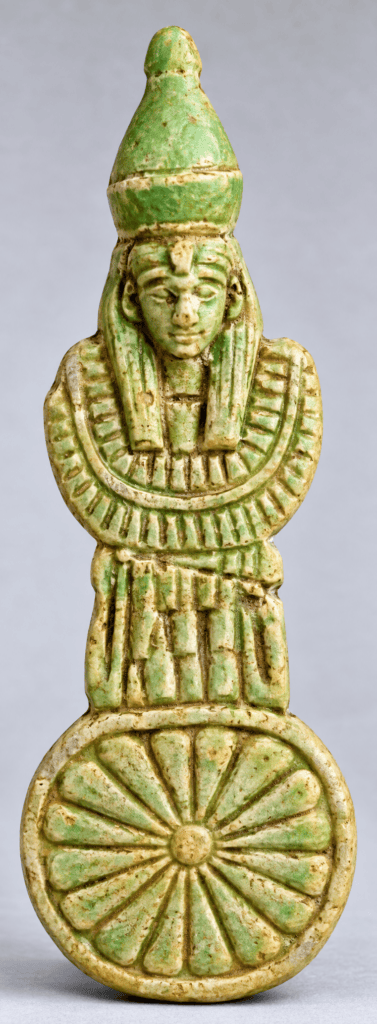
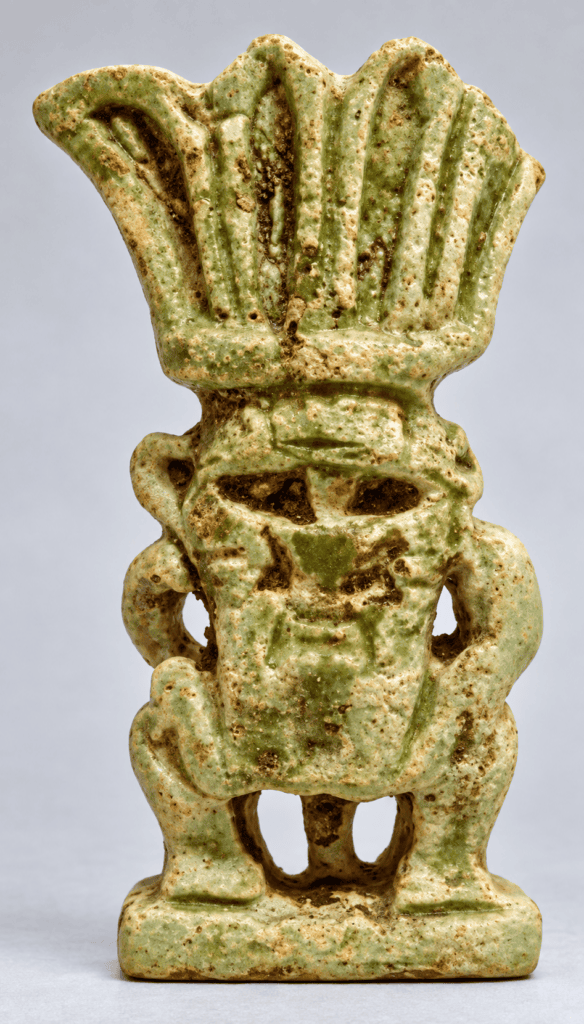
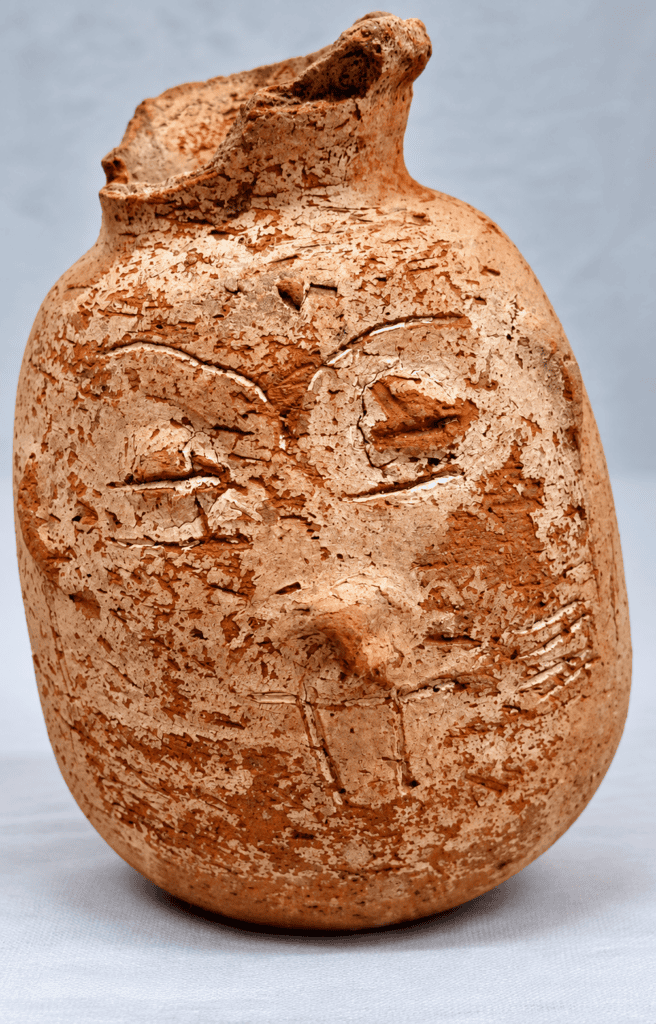
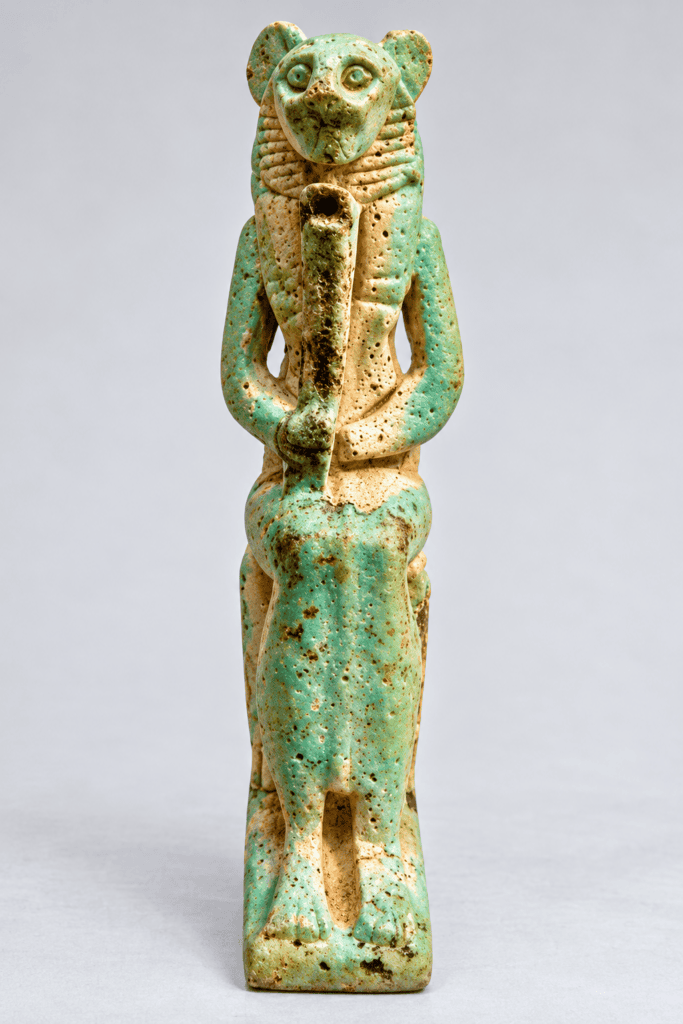
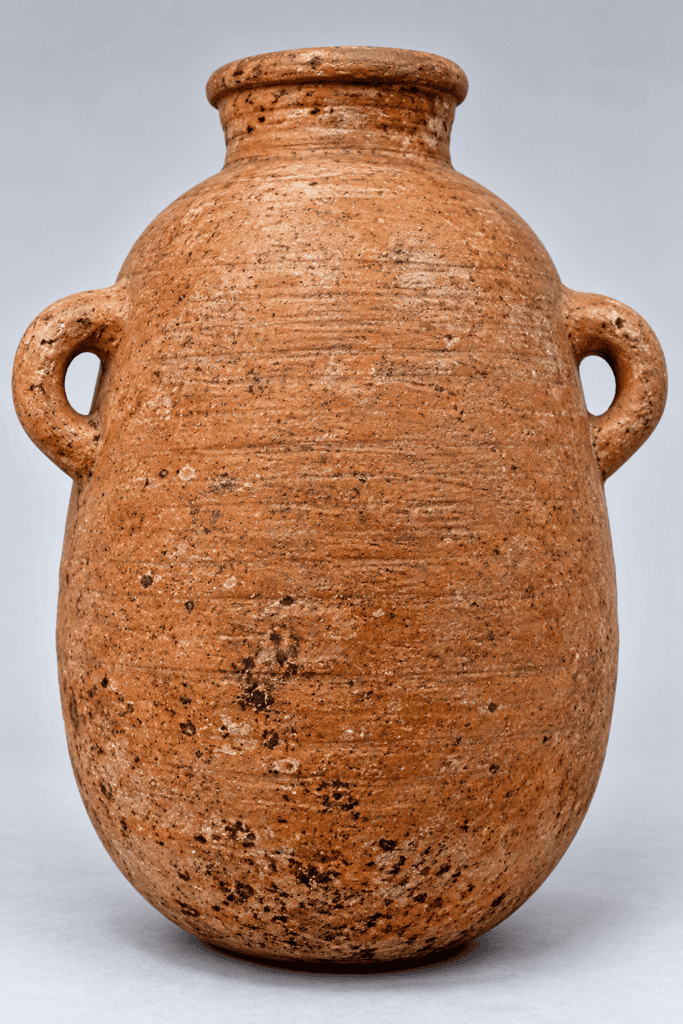
Anwar Abdel-Samad, Director General of Qalyubia Antiquities and head of the archaeological mission, said a number of portable antiquities recovered during the excavations helped archaeologists date the tombs and determine the periods during which they were used.
The mission has also continued its work to uncover further remains of the Roman camp preserved in the site’s upper layers.
A Site With a Long History
Tell el-Yahudiya occupies an important place in the archaeology of the eastern Nile Delta and is particularly associated with the Hyksos period, when the area included a major encampment.
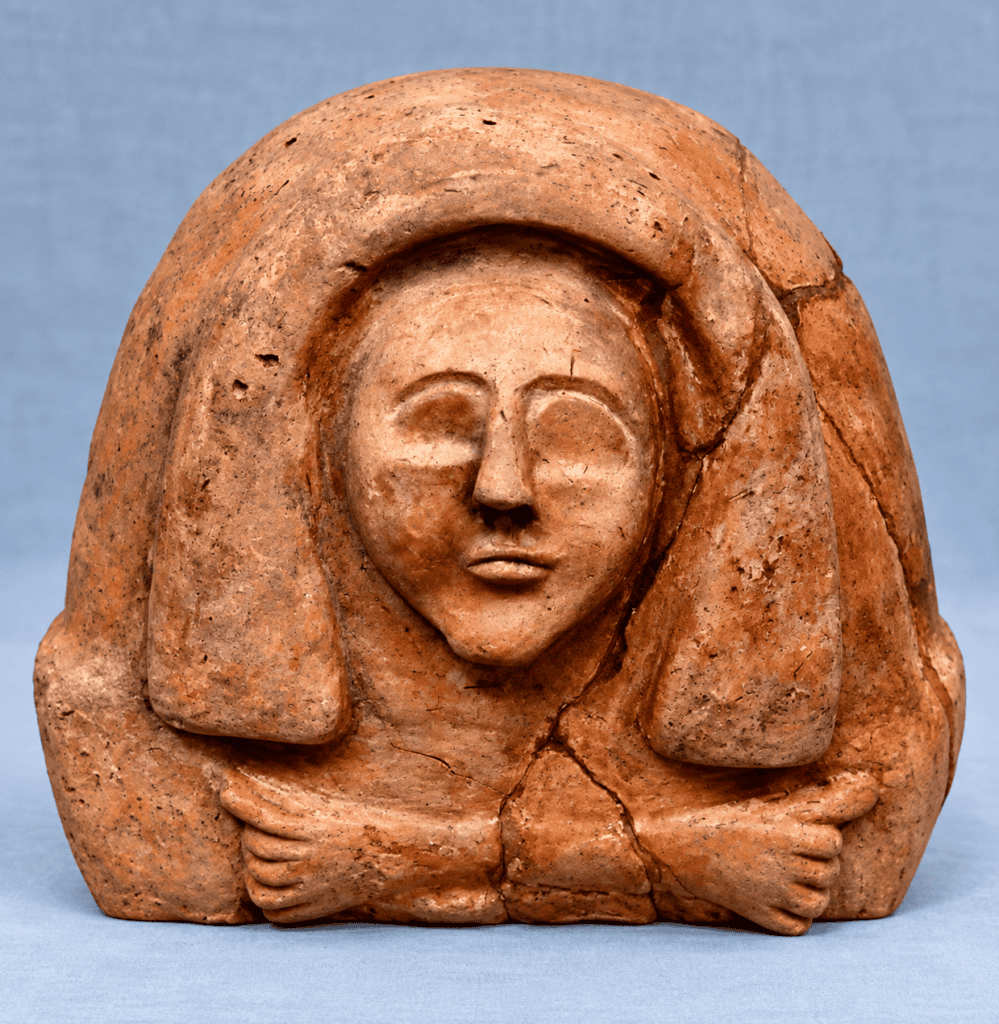
The latest excavations add to evidence that activity at the site continued long after the Hyksos period, including during the Greek and Roman eras.
The newly uncovered archaeological sequence presents a particularly interesting picture of the site’s changing function through time. Rock-cut tombs dating from the late New Kingdom and continuing in use into the Late Period were eventually covered by later archaeological layers associated with Roman military activity.
Rather than representing a site belonging to a single historical period, the discoveries demonstrate how Tell el-Yahudiya was repeatedly occupied, adapted and reused over many centuries.
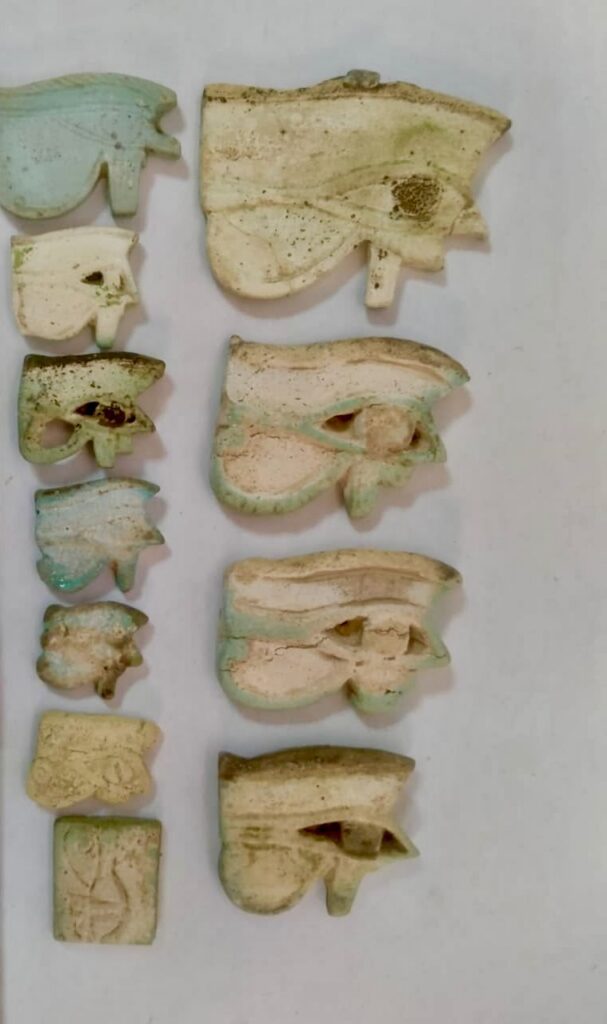
The combination of rare rock-cut tombs, prolonged funerary activity and later Roman military remains provides archaeologists with important new evidence for understanding burial traditions and the changing role of Tell el-Yahudiya within the eastern Nile Delta.